
salvina-molesta (Salvinia molesta)
salvina-molesta
Description
Salvinia molesta is a free‑floating aquatic fern with overlapping, oval fronds often covered in hair‑like papillae that trap air and give a velvety appearance. It typically forms dense mats on the water surface and spreads rapidly by vegetative fragmentation rather than by seed. The species is broadly native to South America and is easily moved with plant material, equipment or by animals.
Distribution
This record lists Salvinia molesta for Continental Portugal but no specific observation details were supplied, so current local distribution is uncertain. Where it occurs elsewhere it favors still or slow‑moving freshwater such as ornamental ponds, ditches, irrigation canals and quiet backwaters, and similar situations in Continental Portugal would be susceptible. Introduction pathways commonly include the aquatic plant trade, accidental transfer on equipment and movement by waterbirds or floodwaters.
Management measures
Management is based on an integrated approach combining early detection, regular monitoring and physical control such as careful skimming, raking or manual removal, taking care to avoid creating fragments that can re‑establish. Removed material must be contained and disposed of securely and equipment should be cleaned and dried to prevent spread; public awareness and biosecurity measures at nurseries and water users are important. Herbicide use should be considered only as a regulated, professionally supervised option and integrated with mechanical and preventative measures.
Ecological impact
Salvinia molesta can form impenetrable mats that block light, reduce gas exchange and lower dissolved oxygen, causing stress or mortality to fish and other aquatic life. Dense cover displaces native aquatic plants, alters habitat structure and nutrient cycling, and can impede water management, irrigation and recreational uses. Even small fragments can rapidly expand infestations, increasing long‑term ecological and economic costs.
Related plants
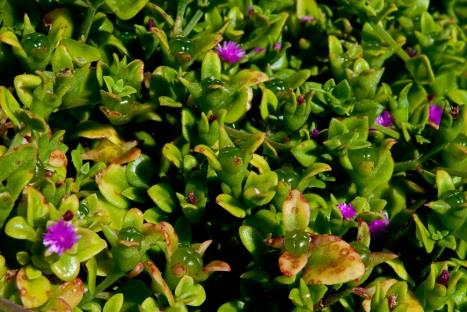
baby sun rose
Aptenia cordifolia
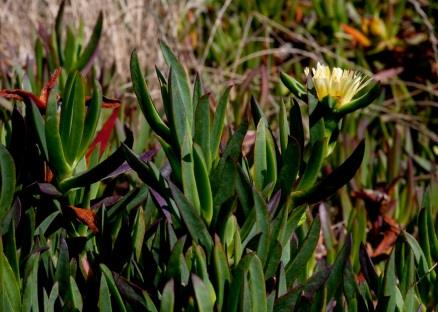
hottentot fig
Carpobrotus edulis
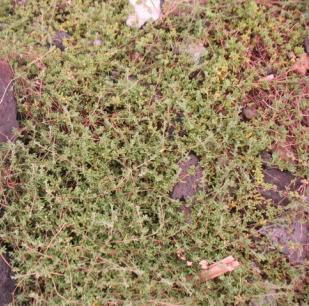
rosea ice plant
Drosanthemum floribundum
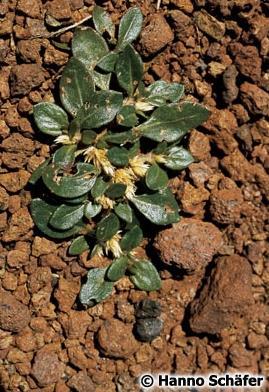
purple joyweed
Alternanthera caracasana