
black locust, false acacia, locust tree, yellow locust (Robinia pseudoacacia)
black locust, false acacia, locust tree, yellow locust
Description
Robinia pseudoacacia is a deciduous, often small-to-medium tree with pinnate leaves, clusters of fragrant creamy-white pea-flowers and later flattened legume pods; young branches can bear short spines. It commonly resprouts from stumps and produces root suckers, and its root nodules fix atmospheric nitrogen. The combination of coppicing ability and seed production makes it persistent where planted or escaped.
Distribution
Robinia pseudoacacia is native to eastern North America and has been widely introduced across Europe as an ornamental, for timber and for stabilization of disturbed soils. In Continental Portugal it is commonly planted in urban, rural and roadside situations and is known to escape cultivation to establish in disturbed ground, river margins and abandoned land. Although specific local records are not supplied here, its presence in the region should be expected and monitored in suitable habitats.
Management measures
Control requires an integrated approach combining early removal of seedlings by pulling or digging, repeated cutting or coppicing with careful follow-up to remove resprouts and root suckers, and restoration of competitive native vegetation. Cut material should be managed to prevent resprouting and seed spread; disposal and cleaning of equipment reduce further escapes. The targeted use of herbicide can be considered but only as a regulated, professionally supervised option carried out by trained personnel, and any treatment plan should include long-term monitoring.
Ecological impact
Robinia pseudoacacia alters soil nutrient cycles through nitrogen fixation, which can favour nitrophilous species and change plant community composition. It can form dense stands that shade and outcompete native shrubs and herbaceous plants, reducing local biodiversity and altering successional pathways. Its spread may also facilitate other invasive species and change soil microbial communities, even though it can provide nectar for pollinators and useful timber in managed contexts.
Related plants
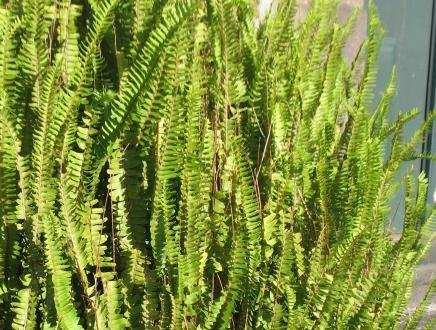
sword fern
Nephrolepis cordifolia
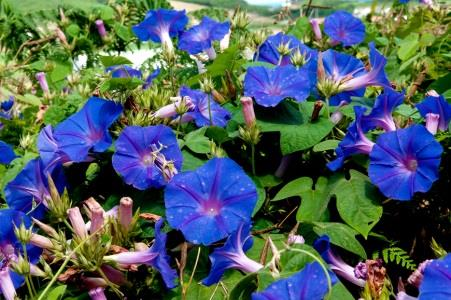
blue morning glory
Ipomoea indica
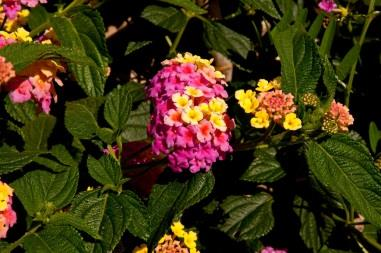
lantana
Lantana camara
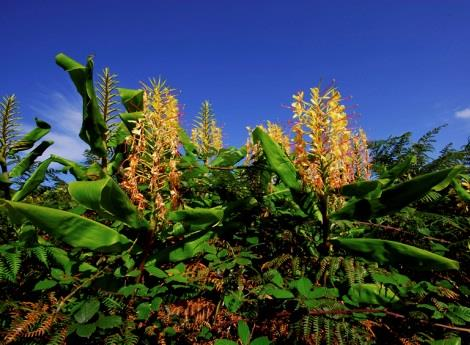
kahili ginger
Hedychium gardnerianum