
Ricinus communis (Ricinus communis)
Ricinus communis
Description
Ricinus communis is a shrubby to small tree-like plant with large palmate leaves and a distinctive, ornamental appearance. It bears separate male and female flowers on the same plant and produces spiny capsule fruits that contain glossy, mottled seeds known for their high toxicity. The seeds contain potent toxins and all handling of plant material should assume a poisoning risk and be done with appropriate protective measures.
Distribution
Ricinus communis has a broad native origin in tropical regions (often associated with tropical Africa and parts of Asia) and has been widely introduced elsewhere as an ornamental and for oil production. In the present catalogue record it is noted for Continental Portugal and may occur both in cultivation and as escaped stands in disturbed habitats, but local distribution is variable and should be confirmed by field survey. No precise localities or dates are provided here, so distribution should be treated cautiously and validated with local observation data.
Management measures
Management relies on an integrated approach that combines mechanical removal, careful disposal of seed-bearing material, and ongoing site monitoring to prevent reinvasion. Physical control (uprooting or cutting before seed set) must be conducted with protective equipment because of seed toxicity, and all removed material should be contained and destroyed rather than composted; herbicide use is an option only under regulated, professionally supervised application. Preventing seed spread by removing fruiting plants and restoring disturbed ground with native species are key long-term measures.
Ecological impact
Where it escapes cultivation, Ricinus communis can form dense stands in disturbed, open or ruderal habitats and compete with native vegetation, potentially altering successional trajectories. Its toxic seeds pose a hazard to livestock, wildlife and human health if accidentally ingested, creating an additional risk in agricultural or pastoral landscapes. While flowers may attract some pollinators, the net ecological effect in invaded sites is often negative through displacement of native plants and alteration of habitat structure.
Related plants
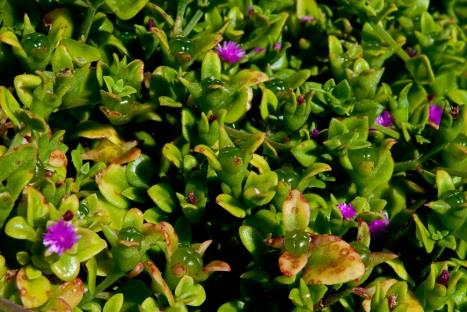
baby sun rose
Aptenia cordifolia
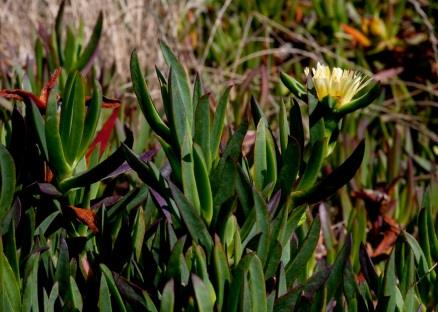
hottentot fig
Carpobrotus edulis
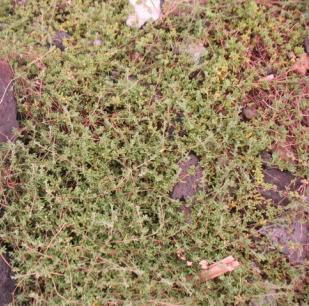
rosea ice plant
Drosanthemum floribundum
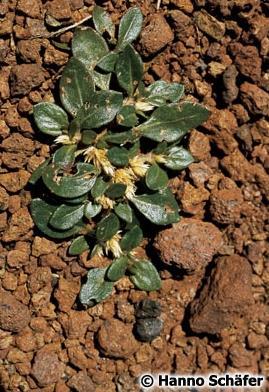
purple joyweed
Alternanthera caracasana