
knotgrass, ditch grass, jointgrass, water couch, wiregrass, mercer grass (Paspalum paspalodes)
knotgrass, ditch grass, jointgrass, water couch, wiregrass, mercer grass
Description
Paspalum paspalodes is a grassy monocot that forms upright to loosely spreading stems with linear leaves and conspicuous nodes; inflorescences typically comprise a small number of linear racemes bearing paired spikelets. Its general appearance is that of a coarse, wiry grass often found in damp or disturbed ground, and it can be confused with other Paspalum species without careful inspection. The species name Paspalum paspalodes should be used in records to avoid confusion with local common names such as knotgrass or wiregrass.
Distribution
Paspalum paspalodes is broadly native to tropical and subtropical regions of the Americas and has been reported as introduced in various parts of the world. In the present catalogue it is listed from Continental Portugal, but specific occurrence records and abundance in the field are not supplied here, so its local distribution should be considered uncertain and likely sporadic. Where present in Europe the species is most often associated with disturbed soils, roadside ditches and riparian margins rather than intact native habitats.
Management measures
Management of Paspalum paspalodes relies primarily on early detection, regular monitoring and physical control such as mowing, cutting before seed set, hand-pulling of small stands and removal of infested soil where practical. Containment by cleaning machinery and preventing movement of contaminated soil or plant material, followed by revegetation with competitive native species, reduces the chance of re-establishment. Herbicide use may be considered only as a legally compliant, professionally supervised option within an integrated plan and should be combined with follow-up monitoring and proper disposal of removed material.
Ecological impact
Where it becomes established, Paspalum paspalodes can compete with native riparian and wetland plants by forming dense grassy stands that alter light and sediment regimes. Such changes may reduce native plant diversity and modify faunal use of affected margins, particularly in disturbed ditch and canal systems. Even modest incursions can demand continued management effort to prevent spread along waterways and infrastructure corridors.
Related plants
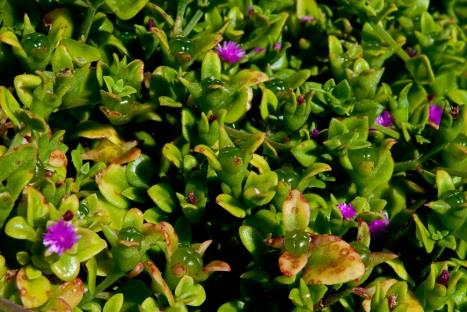
baby sun rose
Aptenia cordifolia
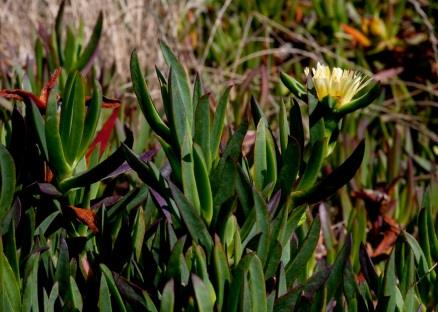
hottentot fig
Carpobrotus edulis
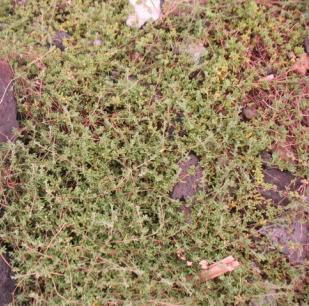
rosea ice plant
Drosanthemum floribundum
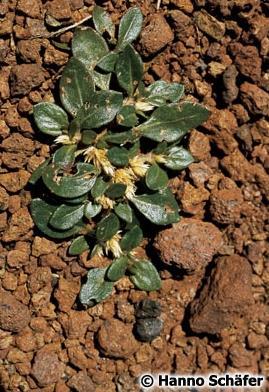
purple joyweed
Alternanthera caracasana