
plume albizia, mountain albizia (Paraserianthes lophantha)
plume albizia, mountain albizia
Description
Paraserianthes lophantha is a fast-growing small tree or large shrub with bipinnate (feathery) leaves, conspicuous plume-like cream to yellow flower heads, and flattened seed pods produced after flowering. Its foliage and open crown give it a distinctive airy habit that is readily observable in both planted and escaped specimens. The species is broadly native to Australia and nearby regions and is commonly introduced elsewhere as an ornamental or for revegetation.
Distribution
In Continental Portugal Paraserianthes lophantha is recorded mainly from cultivated sites and from scattered escapes; precise observation records are not supplied for this catalogue entry. Its present distribution in the country appears patchy and often associated with anthropogenic habitats such as gardens, roadside plantings and disturbed ground. Because records are incomplete, its status should be considered cautiously and subject to further field verification and monitoring.
Management measures
Integrated management emphasises early detection, removal of young plants and careful disposal of seed-bearing material to limit further spread. Mechanical control (pulling seedlings, cutting larger stems) combined with follow-up monitoring and restoration with native species is recommended; chemical control may be considered only as a regulated, professionally supervised option where other measures are impractical. Prevention by avoiding planting in sensitive habitats, restricting seed movement and public awareness are important complementary measures.
Ecological impact
Paraserianthes lophantha is a nitrogen-fixing tree that can alter soil nutrient dynamics and favour nitrophilous species, potentially changing vegetation composition in invaded sites. Where it forms dense stands it may suppress regeneration of native shrubs and herbs and alter successional trajectories, particularly in disturbed coastal and riparian areas. The magnitude of impacts in Continental Portugal is likely context-dependent and warrants local assessment and monitoring to prioritise management.
Related plants
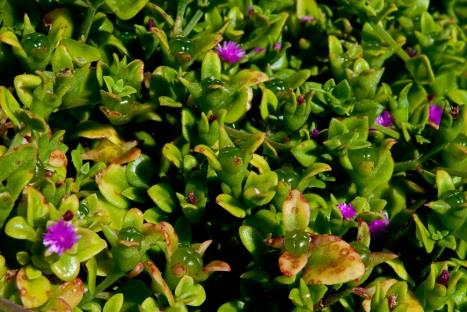
baby sun rose
Aptenia cordifolia
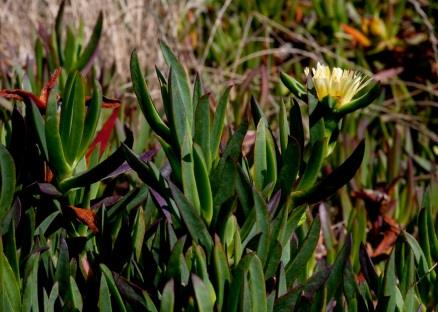
hottentot fig
Carpobrotus edulis
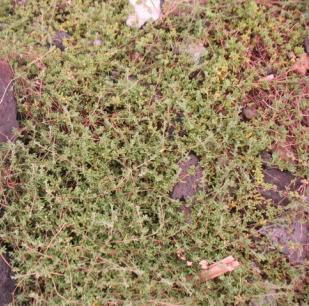
rosea ice plant
Drosanthemum floribundum
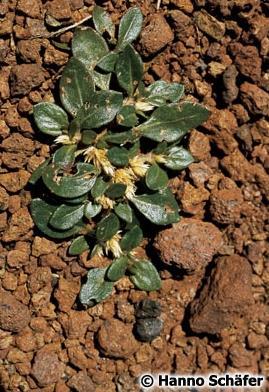
purple joyweed
Alternanthera caracasana