
prickly pear, barbary fig, cactus pear, Indian fig, Indian fig prickly pear, Indian pricklypear, mission fig, smooth prickly pear (Opuntia ficus-indica)
prickly pear, barbary fig, cactus pear, Indian fig, Indian fig prickly pear, Indian pricklypear, mission fig, smooth prickly pear
Description
Opuntia ficus-indica is a shrubby cactus with flattened, fleshy pads (cladodes), often bearing both small barbed hairs (glochids) and larger spines, and producing conspicuous flowers followed by edible, fleshy fruits. It is broadly native to Mexico and neighbouring regions of the Americas and has been widely cultivated elsewhere for fruit, fodder and as an ornamental. Plants are easily recognised in the field by the jointed pads, the presence of glochids and spines, and the pear-shaped fruits.
Distribution
In Continental Portugal Opuntia ficus-indica occurs primarily as a cultivated species that has escaped into disturbed, rocky or coastal dry sites and abandoned land; records are generally associated with horticulture and human activity. Its precise local extent is variable and often patchy, with populations more likely in warm, sheltered microclimates and areas of low-intensity land use. Because direct observation data were not supplied for this record, statements about distribution should be treated as cautious and site-specific surveys are recommended.
Management measures
Management relies on integrated approaches: prevent new escapes by controlling cultivation sites, remove young seedlings and isolated pads by hand with protective equipment, and cut out dense stands with mechanical removal followed by careful disposal of vegetative material to prevent regrowth. Chemical control can be used as a targeted tool but only as a regulated, professionally supervised option and following local legislation; biological control with specialist insects is a specialised measure that requires permits and expert guidance. Follow-up monitoring and restoration with native vegetation are important to reduce re-establishment and restore ecosystem function.
Ecological impact
Opuntia ficus-indica can form dense clumps that suppress native herbaceous plants and alter the structure of open, dry habitats, potentially reducing biodiversity locally. Its spines and barbed glochids can impede the movement of people and livestock and may create refuges for certain animals while excluding others, thereby changing community composition. In some situations it may alter resource use and succession trajectories, so management is advisable where it threatens native habitats or land use.
Related plants
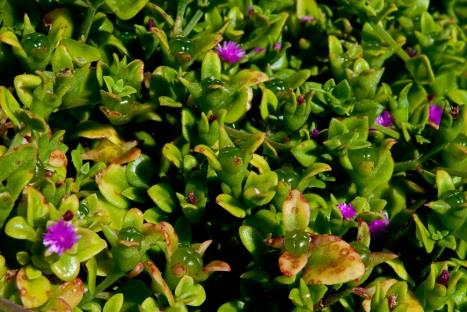
baby sun rose
Aptenia cordifolia
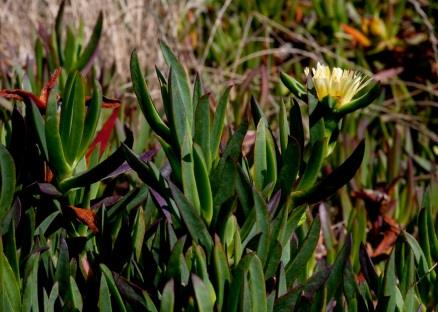
hottentot fig
Carpobrotus edulis
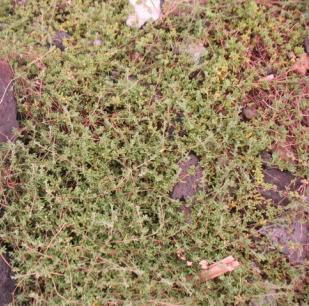
rosea ice plant
Drosanthemum floribundum
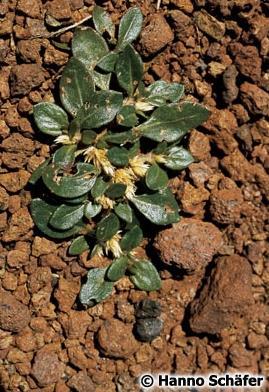
purple joyweed
Alternanthera caracasana