
Tree tobacco (Nicotiana glauca)
Tree tobacco
Description
Nicotiana glauca is a woody shrub or small tree with glaucous, lance-shaped leaves and clusters of tubular yellow flowers, followed by many small seeds in elongated capsules. Its foliage and sap are known to contain toxic alkaloids, so the plant is unpleasant to browse and can be harmful to animals or people if ingested. The species is native to South America and is easily recognised in the field by the combination of blue-green leaves and distinctive yellow tubular blooms.
Distribution
The species is recorded in Continental Portugal where it typically appears in disturbed, open sites such as roadsides, waste ground and riparian margins; exact local records for this catalogue are not supplied. Its establishment is often patchy and associated with past plantings or escapes from cultivation, so occurrences may be localised but capable of spreading from seed. Surveys and monitoring are recommended to confirm local presence and map current stands before planning action.
Management measures
Control is best achieved through an integrated approach combining repeated mechanical removal or cutting with follow-up monitoring to deplete the seedbank and prevent resprouting. Any cut-stump or chemical treatment should be planned as part of an integrated programme, and herbicide use should be considered only as a regulated, professionally supervised option due to toxicity and legal requirements. Disposal of removed material should prevent seed spread and re-establishment, and replanting with native species reduces the risk of recolonisation.
Ecological impact
Nicotiana glauca can form dense patches that outcompete native pioneer plants and alter successional trajectories in open, disturbed habitats. Its toxic foliage may reduce forage availability for wild and domestic herbivores, and prolific seeding supports rapid colonisation of disturbed soils. Changes in vegetation structure and resource availability can also affect pollinator assemblages and local biodiversity where it becomes abundant.
Related plants
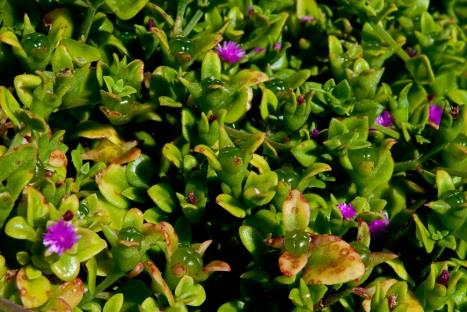
baby sun rose
Aptenia cordifolia
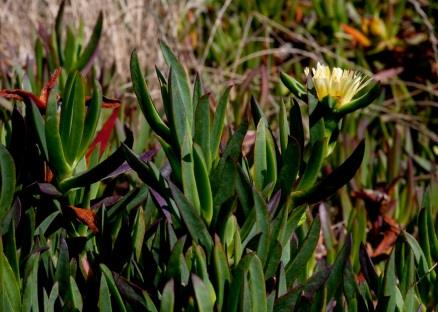
hottentot fig
Carpobrotus edulis
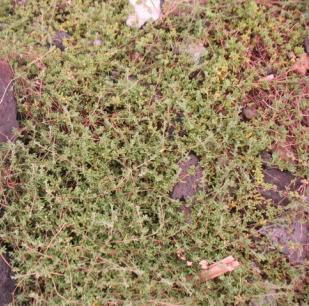
rosea ice plant
Drosanthemum floribundum
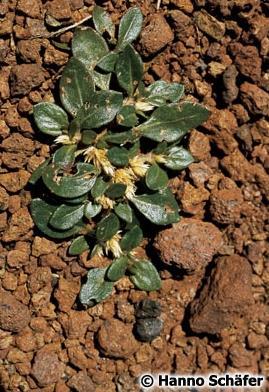
purple joyweed
Alternanthera caracasana