
hortênsia, novelos (Hydrangea macrophylla)
hortênsia, novelos
Description
Hydrangea macrophylla is a woody ornamental shrub with opposite, serrated leaves and conspicuous mophead or lacecap inflorescences made of sterile and fertile florets. Plants are typically deciduous to semi‑evergreen depending on local climate and often form multi‑stemmed clumps in gardens and sheltered sites. No specific observation was supplied for this catalogue entry, so the description is based on common cultivated traits of the species.
Distribution
This species is native to eastern Asia but is widely cultivated as an ornamental on Continental Portugal and in other temperate regions. It commonly occurs in gardens, parks and along shaded hedgerows, and plants can occasionally escape cultivation to naturalize in suitable, sheltered locations; however, the absence of a supplied observation means precise wild records for this entry are uncertain. Continued monitoring around cultivated sites is advisable to clarify its current distribution on the mainland.
Management measures
Management focuses on integrated measures: remove flowering heads to prevent seed set, cut and carefully dig out root crowns and stolons, and monitor for resprouting over subsequent seasons. Dispose of cut material responsibly to avoid re-rooting or seed spread, restore cleared areas with appropriate native vegetation, and minimise soil disturbance to reduce recolonisation; herbicide is only a regulated, professionally supervised option. For larger infestations or unclear cases, consult local authorities or invasive species professionals for site‑specific advice.
Ecological impact
Where Hydrangea macrophylla escapes cultivation it can form dense ornamental thickets that shade and displace low-growing native herbaceous species, potentially reducing local plant diversity in sheltered microsites. Its leaf litter and persistent shading may alter microhabitat conditions and small‑scale soil processes, with mostly localised effects near gardens and urban green spaces. Although impacts are generally limited compared with more aggressive invasives, monitoring is important to prevent further naturalization on the mainland.
Related plants
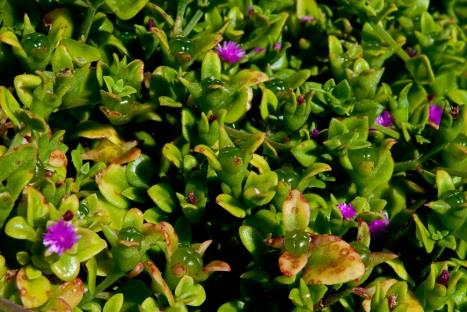
baby sun rose
Aptenia cordifolia
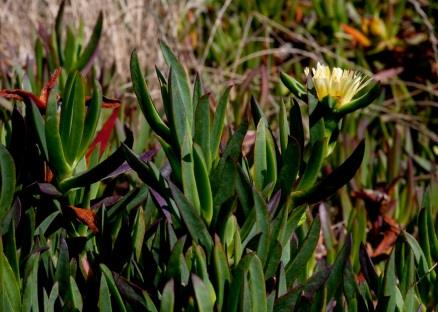
hottentot fig
Carpobrotus edulis
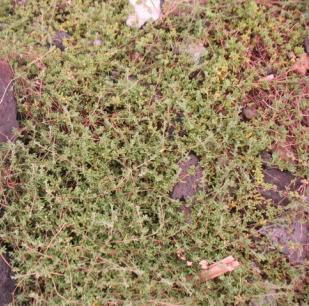
rosea ice plant
Drosanthemum floribundum
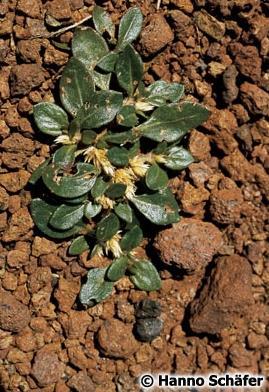
purple joyweed
Alternanthera caracasana