
willow-leaved hakea (Hakea salicifolia)
willow-leaved hakea
Description
Hakea salicifolia is an evergreen shrub or small tree with narrow, willow-like leaves and clusters of pale cream to white flowers that are followed by hard woody follicles. The plant produces persistent woody fruits that can retain seeds and lead to local seed accumulation. The species is easily recognised in the field by its foliage habit and the presence of these characteristic woody seed capsules.
Distribution
Hakea salicifolia is native to eastern Australia but has been introduced in various regions outside its native range. For this catalogue record the species is reported for Continental Portugal, but no specific observation details were supplied and its local distribution in the mainland should be confirmed with field surveys and herbarium or database records. Because records are incomplete, cautious site-level verification and reporting to local authorities are recommended before management decisions are made.
Management measures
Management should follow an integrated approach combining physical removal of young plants and regular follow-up to prevent recruitment from the seedbank, together with careful disposal of cut material to avoid further spread. Where manual or mechanical methods are impractical, the targeted use of herbicide can be considered only as a regulated, professionally supervised option and as part of an overall control plan. Monitoring after treatment and preventing seed set are essential to achieve long-term control.
Ecological impact
Hakea salicifolia can form dense stands that shade and outcompete native shrubs and tree seedlings, potentially reducing local plant diversity and altering habitat structure. Its woody fruits and persistent seedbank can make eradication difficult once established and may change fuel loads and fire behaviour in invaded vegetation. The magnitude of these impacts will depend on local environmental conditions and the extent of invasion.
Related plants
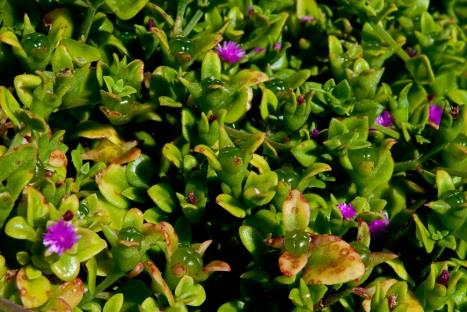
baby sun rose
Aptenia cordifolia
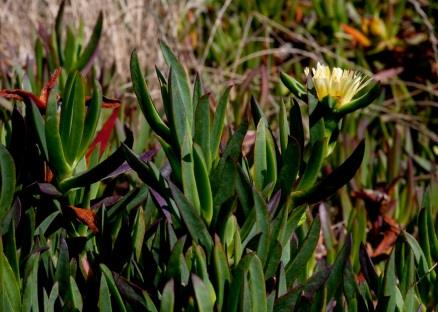
hottentot fig
Carpobrotus edulis
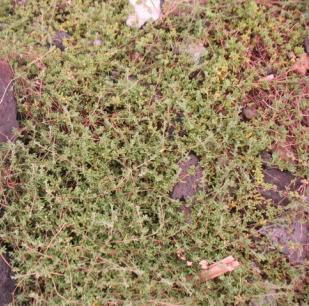
rosea ice plant
Drosanthemum floribundum
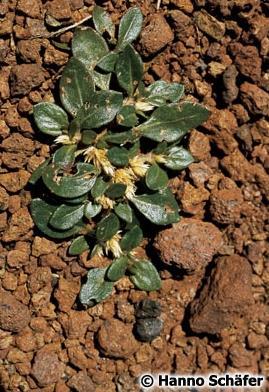
purple joyweed
Alternanthera caracasana