
Galinsoga parviflora (Galinsoga parviflora)
Galinsoga parviflora
Description
Galinsoga parviflora is a small, fast-growing annual herb with branched stems, opposite leaves, and characteristic small daisy-like flower heads composed of pale (often white) ray florets surrounding a yellow disc. It flowers and sets seed quickly, producing numerous small seeds that facilitate local spread. The species is native to the Americas but has become established in many temperate regions worldwide.
Distribution
This species has been recorded in Continental Portugal, where records indicate occurrence in disturbed habitats such as arable margins, gardens and roadsides. Its exact extent and frequency are uncertain from the supplied information, but its ecology and seed biology make it prone to colonising anthropogenic and disturbed sites. Continued recording and local surveys are useful to refine understanding of its distribution in the region.
Management measures
Management should combine prevention, hygiene and prompt removal of plants before seed set, including hand-pulling or cutting for small populations and mulching or groundcover to reduce establishment. Machinery and soil movement should be cleaned to avoid spreading seed, and sites should be monitored after removal to catch regrowth from the seed bank. Chemical control may be considered only as a regulated, professionally supervised option and should be part of an integrated programme with follow-up monitoring.
Ecological impact
By establishing in disturbed ground, Galinsoga parviflora can compete with native seedlings and agricultural crops, potentially reducing native recruitment in sensitive patches and contributing to weed assemblages in fields and gardens. Its prolific seed production can create a persistent seed bank that sustains local populations and complicates eradication attempts. While not typically a dominant long-term invader of intact habitats, it can alter community composition in repeatedly disturbed sites.
Related plants
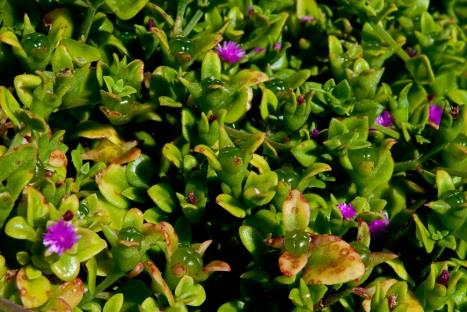
baby sun rose
Aptenia cordifolia
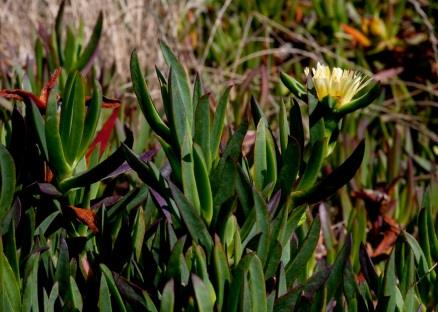
hottentot fig
Carpobrotus edulis
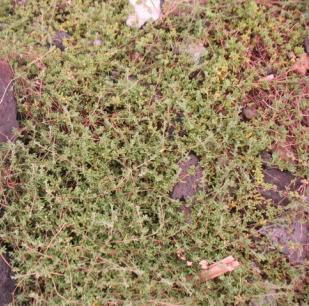
rosea ice plant
Drosanthemum floribundum
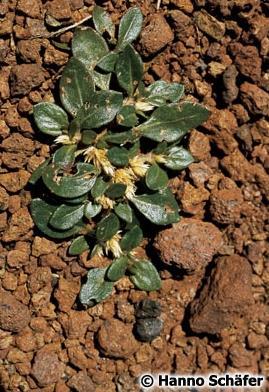
purple joyweed
Alternanthera caracasana