
jimsonweed, common thorn apple, devils trumpet, jamestown weed, stinkwort (Datura stramonium)
jimsonweed, common thorn apple, devils trumpet, jamestown weed, stinkwort
Description
Datura stramonium is an annual herb with large, toothed leaves and conspicuous trumpet-shaped flowers that are typically white to purple; the fruit is a spiny capsule that releases many small seeds. The plant contains potent tropane alkaloids and all parts are toxic to people and livestock. It is originally native to the Americas but has become established in many regions worldwide.
Distribution
In Continental Portugal it has been recorded in disturbed habitats such as field margins, roadsides and wasteland, although precise locality records are not supplied. Its distribution tends to be patchy, forming localised populations where seed banks persist in the soil. The species is typically associated with anthropogenic disturbance and spreads mainly via seed movement.
Management measures
Management focuses on preventing seed production by removing flowering plants and safely disposing of seed capsules; mechanical removal (pulling or digging) is effective when roots can be removed. Care should be taken to avoid spreading seeds during soil disturbance and to use gloves and protective equipment because of the plant's toxicity, and herbicide use should be considered only as a regulated, professionally supervised option. Long-term control requires repeated monitoring and removal of seedlings across seasons to deplete the soil seed bank.
Ecological impact
Because it readily colonises disturbed ground and is highly toxic, Datura stramonium can reduce forage value and pose poisoning risks to livestock and humans. Dense local populations may outcompete native ruderal species and alter early successional plant communities. Persistence of seeds in the soil facilitates recurrence after disturbance, complicating eradication efforts.
Related plants
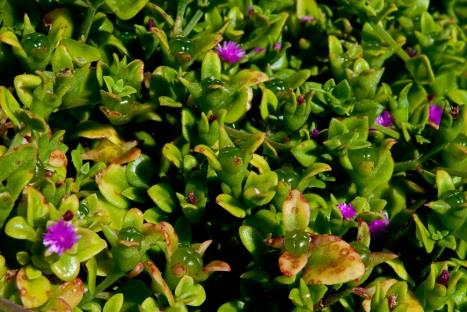
baby sun rose
Aptenia cordifolia
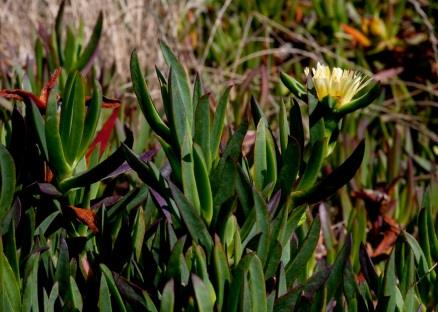
hottentot fig
Carpobrotus edulis
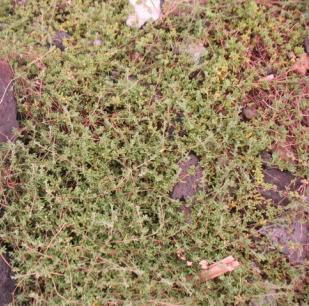
rosea ice plant
Drosanthemum floribundum
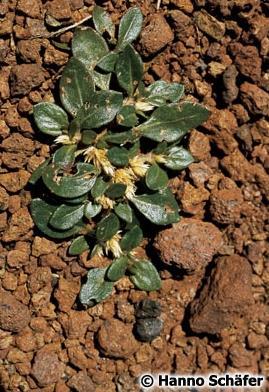
purple joyweed
Alternanthera caracasana