
australian tree fern, lacy tree fern, highland lace, scaly tree fern, straw tree fern (Cyathea cooperi)
australian tree fern, lacy tree fern, highland lace, scaly tree fern, straw tree fern
Description
Cyathea cooperi is an arborescent fern with a single erect trunk clothed in fibrous scales and a terminal crown of large, lacy bipinnate fronds whose undersides bear spores. The fronds are arching and finely divided, giving the plant a distinctive ornamental silhouette commonly used in gardens. The species is native to eastern Australia but is widely cultivated outside its native range.
Distribution
This catalogue entry refers to Continental Portugal, but no specific observation was supplied and the island field is not specified. Cyathea cooperi is frequently planted in mild climates and can escape cultivation to establish in favourable microclimates, yet confirmed occurrences in Continental Portugal should be verified by local surveys. Caution is advised when interpreting planted specimens, as horticultural presence does not necessarily indicate self-sustaining wild populations.
Management measures
Management relies on early detection, removal of seedlings and preventing re-establishment by removing crowns and rootstocks where feasible and disposing of material to avoid re-sprouting. Restoring native groundcover, reducing propagule sources in gardens and nurseries, and long-term monitoring are key components of an integrated response; any chemical control, including herbicide use, should be considered only as a regulated option applied by qualified professionals. Coordination with local stakeholders and restricting further planting are recommended to reduce future invasion risk.
Ecological impact
Where it becomes established, Cyathea cooperi can shade out native understory plants and inhibit regeneration of native tree seedlings by altering light and moisture regimes. Dense stands may change litter composition and soil microclimate, potentially favouring other non-native species and reducing local plant diversity. The magnitude of impacts depends on local habitat and climate, so site-specific assessment is necessary.
Related plants
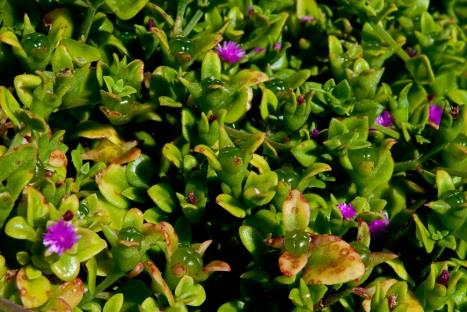
baby sun rose
Aptenia cordifolia
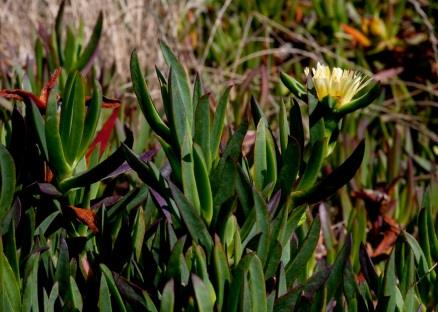
hottentot fig
Carpobrotus edulis
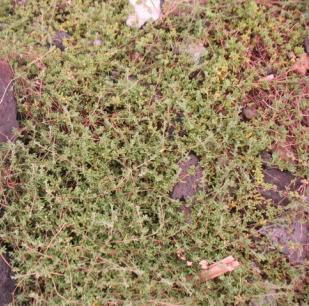
rosea ice plant
Drosanthemum floribundum
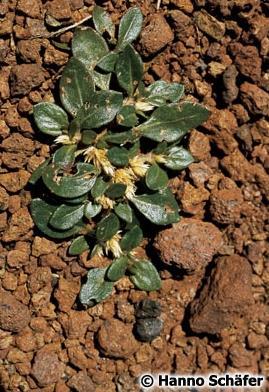
purple joyweed
Alternanthera caracasana