
pampas grass, silver pampas grass (Cortaderia selloana)
pampas grass, silver pampas grass
Description
Cortaderia selloana, commonly called pampas grass or silver pampas grass, forms large perennial tussocks of long, arching, blade-like leaves that can have sharp margins and produces tall, feathery, white to silvery plumes. The species is native to temperate regions of South America and is widely cultivated as an ornamental where it readily flowers and sets abundant wind-dispersed seed. These visible traits—dense tussocks and conspicuous seed plumes—make it easy to recognise in the landscape.
Distribution
In Continental Portugal Cortaderia selloana is recorded from multiple locations and is often found in disturbed sites such as roadsides, coastal fringes, dunes, waste ground and garden margins. No specific island observations were supplied, so the catalogue entry relies only on the general Continental Portugal occurrence. Its frequency in ornamental plantings and disturbed habitats facilitates local spread.
Management measures
Management of Cortaderia selloana is best approached as an integrated programme: remove flowering heads before seed set, mechanically cut or dig out entire tussocks and as much of the root mass as possible, and monitor sites repeatedly to remove regrowth and seedlings. Collected plant material and seed heads should be contained and disposed of securely to prevent further dispersal, and replacement with native vegetation is recommended to reduce reinvasion. Herbicide use is a regulated, professionally supervised option where mechanical control is impractical, and any chemical treatment should follow local regulations and expert guidance.
Ecological impact
When established, Cortaderia selloana can form dense, monotypic stands that shade and outcompete native herbs and shrubs, thereby reducing local plant diversity. Its tall dry foliage and large seed banks can alter fuel structure and the physical character of habitats such as dunes and road verges, and abundant wind-dispersed seeds facilitate further spread into natural areas. These changes may degrade habitat quality for native fauna and complicate restoration efforts.
Related plants
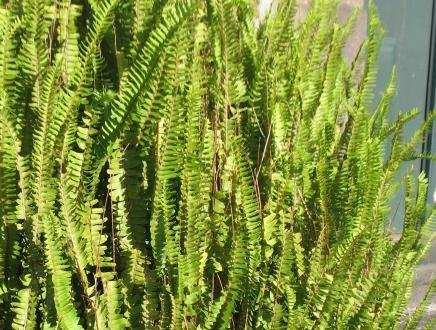
sword fern
Nephrolepis cordifolia
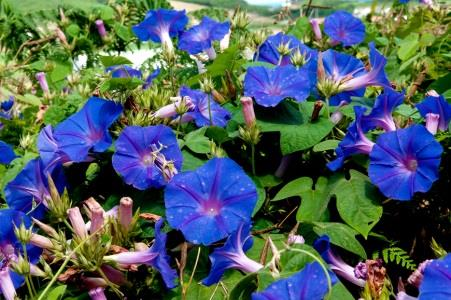
blue morning glory
Ipomoea indica
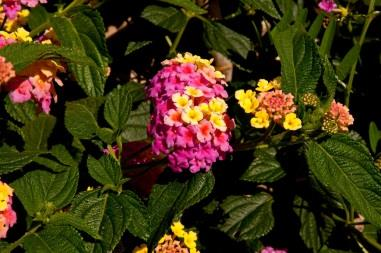
lantana
Lantana camara
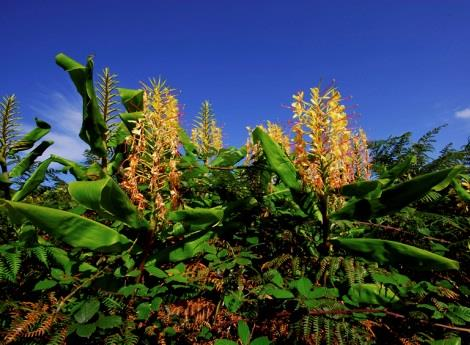
kahili ginger
Hedychium gardnerianum