
tall fleabane, broad-leaved fleabane, fleabane (Conyza sumatrensis)
tall fleabane, broad-leaved fleabane, fleabane
Description
Conyza sumatrensis is an erect, often branched herb with relatively broad leaves compared with some other Conyza species, and many small composite flower heads that produce a pappus of hairs for wind dispersal. Plants are observable as upright rosettes or stems bearing crowded inflorescences of tiny pale flowers, often giving a greyish or hoary aspect when dense. These visible traits make it recognizable in disturbed places such as roadsides, waste ground and open field margins.
Distribution
Broadly native to the Americas, Conyza sumatrensis has become widely introduced in many regions of the world and is reported on the Portuguese mainland with scattered occurrences in anthropogenic habitats. Records in Continental Portugal indicate it establishes primarily in disturbed sites, edges and ruderal locations rather than undisturbed native vegetation. Given the limited specific observation data supplied, its current local extent should be considered cautious and subject to further survey.
Management measures
Integrated management focuses on prevention, early detection and removal before seed set, combined with repeated monitoring and restoration of competitive vegetation to reduce re-establishment. Mechanical removal and careful disposal of flowering material are recommended to avoid further seed spread, and any use of herbicide should be regarded as a regulated option applied only by trained professionals under appropriate authorization. Public awareness, sanitation of seed-bearing material and avoiding soil disturbance are important complementary measures.
Ecological impact
Conyza sumatrensis can form dense stands in disturbed habitats, competing with native plants and crops and potentially reducing local diversity where it becomes abundant. Its large number of wind-dispersed seeds facilitates rapid colonization of open ground, which can alter successional trajectories and impact early-successional communities. In agricultural or horticultural settings it may act as a nuisance weed and increase management costs if not controlled early.
Related plants
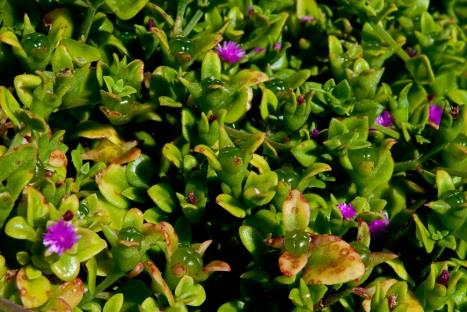
baby sun rose
Aptenia cordifolia
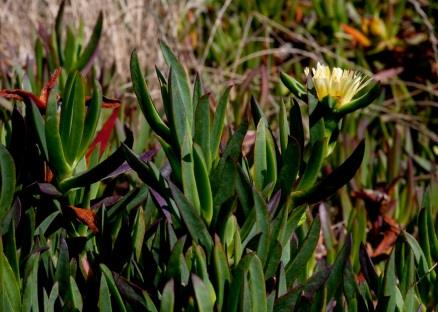
hottentot fig
Carpobrotus edulis
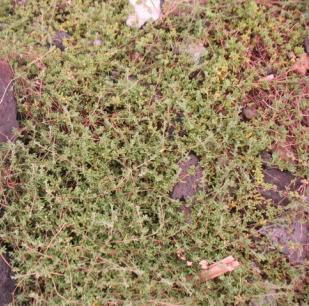
rosea ice plant
Drosanthemum floribundum
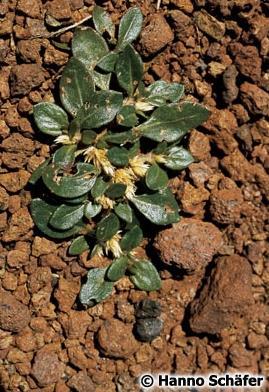
purple joyweed
Alternanthera caracasana