
hairy fleabane, Argentine fleabane, fleabane (Conyza bonariensis)
hairy fleabane, Argentine fleabane, fleabane
Description
Conyza bonariensis is a hairy, erect annual or short‑lived perennial in the daisy family, producing branched stems with grey‑green, hairy leaves and numerous small, pale composite flower heads. Flower heads appear in loose clusters and develop into many wind‑dispersed achenes with a fine pappus. The species is often recognised by its dense indumentum and the plume‑like seedheads when mature.
Distribution
Native to South America, Conyza bonariensis has been introduced to many other regions through movement of seed and disturbance. It is reported from Continental Portugal, typically associated with disturbed ground, roadsides, field margins and other anthropogenic habitats, although detailed local records were not supplied. Because specific observation data are lacking, its precise local distribution in Continental Portugal should be interpreted cautiously and confirmed by targeted surveys.
Management measures
Management emphasises early detection, removal of plants before seed set, sanitation of equipment and restoration of competitive vegetation to reduce opportunities for re‑establishment. Mechanical measures such as hand‑pulling, repeated mowing or targeted removal can be effective in small infestations if seedheads are collected and destroyed to prevent spread. Chemical control may be used only as a regulated, professionally supervised option and should always be integrated with non‑chemical measures and ongoing monitoring.
Ecological impact
Conyza bonariensis readily colonises disturbed habitats and can compete with crops, pastures and native pioneer vegetation, potentially reducing local plant diversity. Its prolific seed production and wind dispersal favour persistent seedbanks and rapid recolonisation after disturbance. Left unchecked, the species can complicate agricultural weed management and alter successional trajectories in semi‑natural and disturbed ecosystems.
Related plants
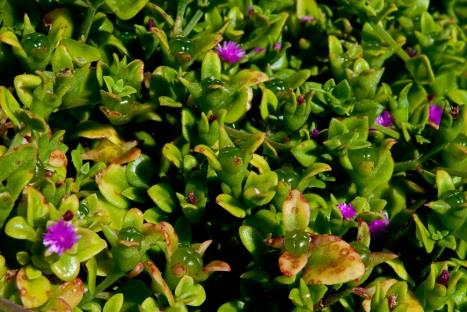
baby sun rose
Aptenia cordifolia
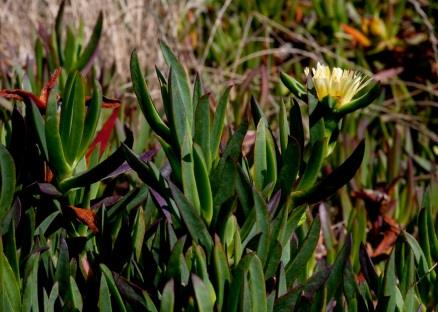
hottentot fig
Carpobrotus edulis
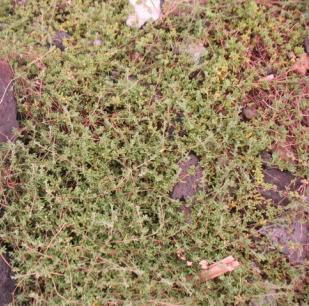
rosea ice plant
Drosanthemum floribundum
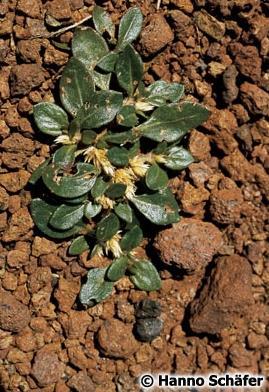
purple joyweed
Alternanthera caracasana