Lily of the Valley Tree (Clethra arborea)
Lily of the Valley Tree
Description
Clethra arborea is an evergreen shrub or small tree with glossy, alternate leaves and clusters of fragrant, bell-shaped white flowers borne in terminal racemes. Its bark and overall habit give a shrub-like to small-tree appearance that is readily noticed in mixed plantings and gardens. The species is readily identified by its showy inflorescences and persistent foliage in mild climates.
Distribution
Clethra arborea is native to Macaronesia, notably Madeira, and is cultivated in parts of temperate Europe. In Continental Portugal it is mainly known from horticultural plantings and sporadic garden escapes; widespread naturalisation on the mainland is not established from the supplied evidence. Records should be treated cautiously and monitoring is recommended to detect any emergent wild populations.
Management measures
Preventative measures such as avoiding planting near natural areas, removing fruiting material and disposing of seedlings promptly are the first line of management. Mechanical removal of saplings and careful root excavation can be effective for small infestations, and restoration with native species helps reduce re‑establishment. Chemical control using herbicides should only be considered as a regulated option applied by trained professionals and combined with follow-up monitoring and disposal protocols.
Ecological impact
Where it escapes cultivation, Clethra arborea can form dense stands that shade understory vegetation and compete with native shrubs and tree seedlings. Such changes in vegetation structure and litter inputs may alter local nutrient cycles and reduce regenerative capacity of native plant communities. Early detection and removal limit these potential impacts on native habitats and biodiversity.
Related plants
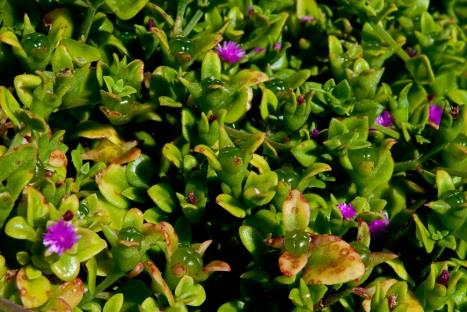
baby sun rose
Aptenia cordifolia
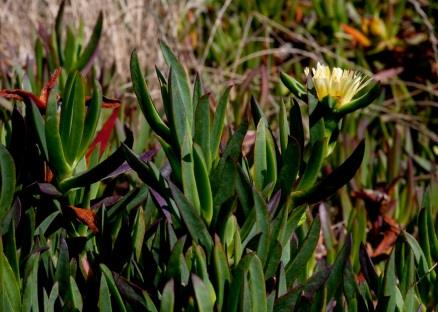
hottentot fig
Carpobrotus edulis
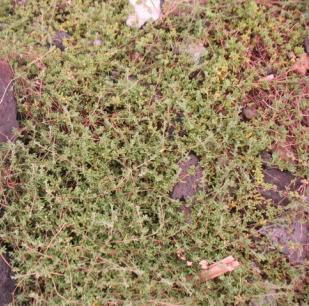
rosea ice plant
Drosanthemum floribundum
purple joyweed
Alternanthera caracasana