
narrow-leaved broom (Baccharis spicata)
narrow-leaved broom
Description
Baccharis spicata is a woody shrub in the Asteraceae that typically has narrow, simple leaves and many small composite flower heads borne in clusters; the vegetative habit is shrub-like and can appear broomy. The species shows traits common to Baccharis spp., such as persistent stems that may resprout after cutting and wind-dispersed seeds with pappus. It is broadly native to the Americas and is treated here as an introduced taxon in Continental Portugal unless local native-status evidence indicates otherwise.
Distribution
This catalogue record refers to Continental Portugal, but no specific observation details were supplied, so its current distribution within the mainland is uncertain and should be considered provisional. Where present, occurrences are best regarded as the result of introduction or escape from cultivation until confirmed by specimens or verified records. Ongoing surveillance and verification of records are recommended to define its actual range on the mainland.
Management measures
Integrated control should combine mechanical removal (pulling or cutting followed by removal of root material), repeated follow-up to exhaust seed banks, and restoration with competitive native vegetation to reduce re‑establishment. All cut material should be contained and disposed of to prevent seed spread, and hygiene measures should be applied to machinery and footwear to avoid accidental dispersal. Chemical control with herbicide is an option only under regulation and when applied by trained professionals as part of a documented management plan.
Ecological impact
If it becomes established, Baccharis spicata can form dense stands that outcompete native scrub and herbaceous species, potentially altering successional trajectories and reducing local plant diversity. Dense growth may also change habitat structure for invertebrates and birds and could interfere with the regeneration of native woody vegetation. Impacts are likely to be greatest in disturbed or open habitats where the species can exploit gaps and repeated management is required to prevent spread.
Related plants
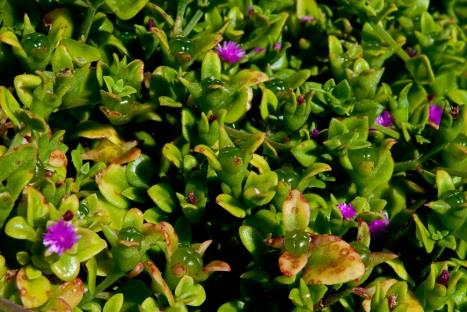
baby sun rose
Aptenia cordifolia
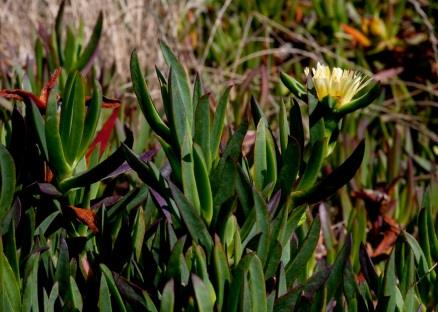
hottentot fig
Carpobrotus edulis
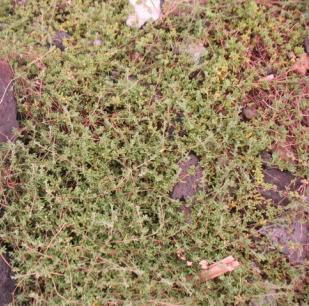
rosea ice plant
Drosanthemum floribundum
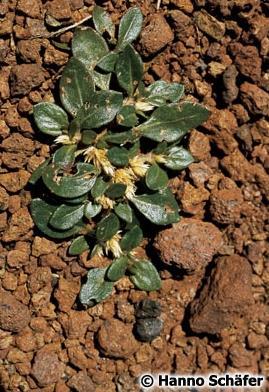
purple joyweed
Alternanthera caracasana