
water fern (Azolla filiculoides)
water fern
Description
Azolla filiculoides is a small floating water fern with overlapping, scale-like fronds that range from green to reddish and is held on the surface by fine root‑like filaments. It reproduces rapidly by fragmentation and can also form spores, allowing quick cover of calm water surfaces. Its buoyant mats are conspicuous in ponds, ditches and slow-moving channels.
Distribution
Azolla filiculoides is native to temperate and subtropical regions of the Americas but has been introduced to other continents. Presence has been recorded in Continental Portugal; no island was specified and no specific observation details were supplied with this record. In Portugal it is typically associated with still or slow-flowing freshwater bodies where conditions permit surface mat formation.
Management measures
Integrated management combines early detection, repeated mechanical removal or skimming of surface mats, strict cleaning of equipment and preventing movement of plant material between water bodies. Careful disposal of removed material and reduction of nutrient inputs that favour its growth are important; herbicide use should be considered only as a regulated, professionally supervised option and in accordance with local legislation. Long-term control requires monitoring, public awareness and restoring hydrological or shading conditions that reduce establishment.
Ecological impact
When abundant, Azolla filiculoides can form dense floating mats that shade submerged vegetation, alter oxygen levels and change habitat structure for invertebrates, fish and waterfowl. Its symbiosis with nitrogen-fixing cyanobacteria can increase available nitrogen and favour shifts toward eutrophic communities, potentially altering species composition. These changes can reduce native biodiversity and complicate water management and recreational uses.
Related plants
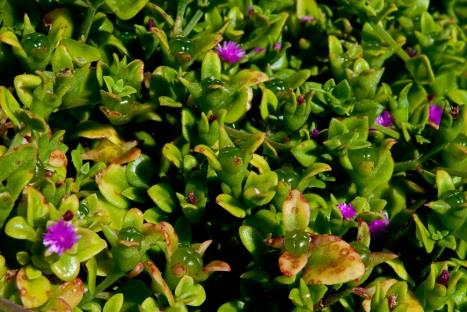
baby sun rose
Aptenia cordifolia
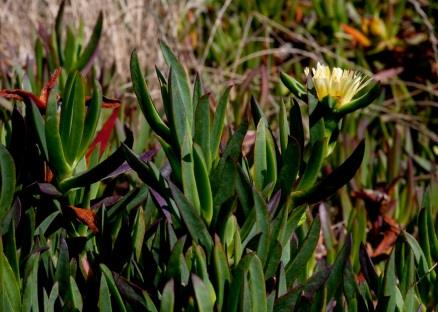
hottentot fig
Carpobrotus edulis
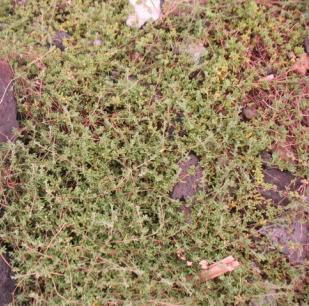
rosea ice plant
Drosanthemum floribundum
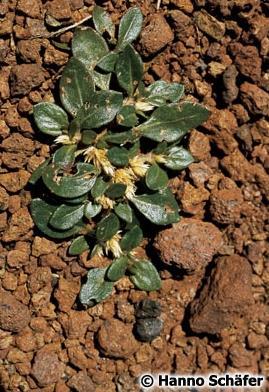
purple joyweed
Alternanthera caracasana