
tree-of-heaven, Chinese sumac (Ailanthus altissima)
tree-of-heaven, Chinese sumac
Description
Ailanthus altissima is a fast-growing deciduous tree with pinnate leaves composed of many lanceolate, sometimes toothed leaflets and produces clusters of winged samaras. Young bark is smooth and stems and crushed leaves can emit a distinctive, often unpleasant odour. It is native to East Asia and is easily recognised in the landscape by its compound leaves and abundant seed production.
Distribution
This species is reported for Continental Portugal in the supplied catalogue location, although no specific observation details were supplied. Elsewhere in Europe Ailanthus altissima readily naturalises in disturbed urban and rural sites such as roadsides, river margins and derelict land, and it has potential to spread from planted or escaped specimens. Observations should be verified locally because distribution can be highly patchy and under-recorded.
Management measures
Management relies on integrated approaches: early detection and removal of seedlings and resprouts, careful mechanical removal of root crowns where feasible, and repeated follow-up to address vigorous coppicing. Herbicide may be used only as a regulated, professionally supervised option and should be combined with physical control and restoration with native vegetation; all cut material should be removed or burned according to local rules to avoid resprouting or seed spread. Long-term monitoring is necessary to detect new recruits and prevent re-establishment.
Ecological impact
Ailanthus altissima can form dense stands that outcompete native trees and shrubs and alter succession in disturbed habitats. Its prolific seed production and vigorous resprouting enable rapid colonisation of open or degraded sites, and its litter and root exudates have been associated with changes in soil conditions and reduced establishment of some native plants. In human-dominated landscapes it can also cause problems for infrastructure through root growth and by colonising cracks in pavements and walls.
Related plants
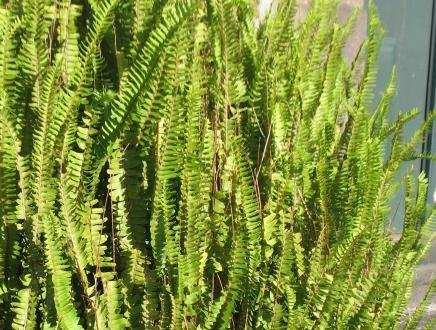
sword fern
Nephrolepis cordifolia
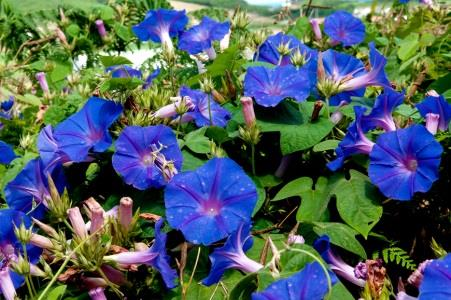
blue morning glory
Ipomoea indica
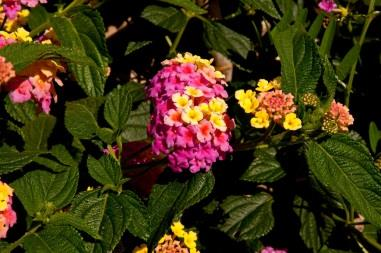
lantana
Lantana camara
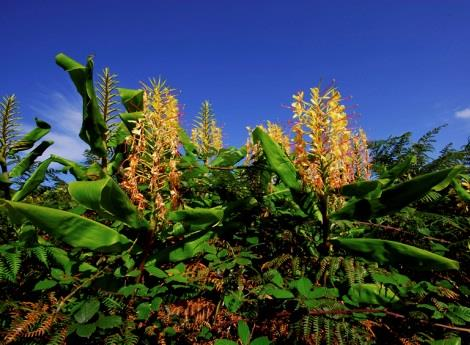
kahili ginger
Hedychium gardnerianum