
water wattle (Acacia retinodes)
water wattle
Description
Acacia retinodes is an evergreen shrub or small tree with narrow glossy phyllodes or finely divided foliage, conspicuous clusters of bright yellow spherical flowers and later flattened seed pods. The species is native to south‑eastern Australia. These visible traits make it relatively easy to recognise when in flower.
Distribution
In Continental Portugal Acacia retinodes is known mainly from cultivation and occasional escapes, but no specific observation was supplied for this catalogue record. It can potentially establish in disturbed sites, urban plantings and along transport corridors where climatic conditions allow. Suspected occurrences should be verified with voucher specimens or reliable photographic evidence.
Management measures
Management focuses on early detection, careful mechanical removal of seedlings and repeated cutting or uprooting of larger plants, followed by monitoring and restoration with native species. Herbicide may be used only as a regulated, professionally supervised option and in accordance with local legislation and guidance. Preventing spread by controlling seed sources, cleaning equipment and raising public awareness are essential components of an integrated approach.
Ecological impact
Where it becomes established Acacia retinodes can form dense stands that outcompete native vegetation and change habitat structure. As a nitrogen‑fixing legume it may alter soil nutrient dynamics and thereby affect plant community composition and successional pathways. Such changes can also influence fire behaviour and local hydrology, making management a priority in sensitive areas.
Related plants
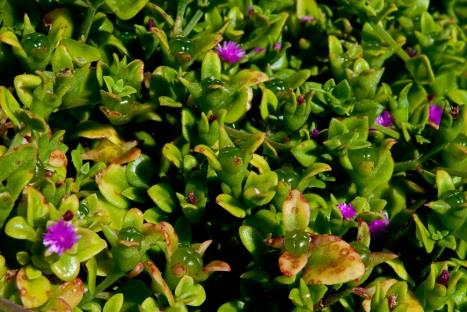
baby sun rose
Aptenia cordifolia
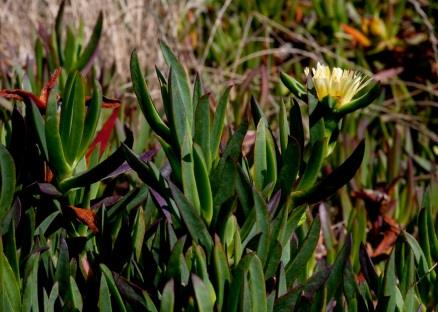
hottentot fig
Carpobrotus edulis
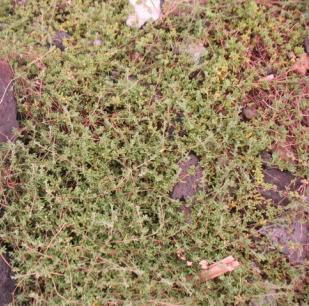
rosea ice plant
Drosanthemum floribundum
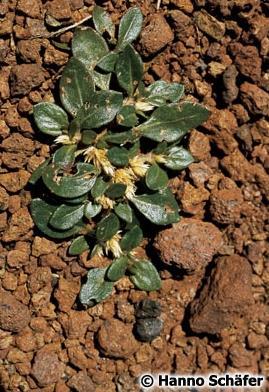
purple joyweed
Alternanthera caracasana