
golden wattle (Acacia pycnantha)
golden wattle
Description
Acacia pycnantha is an evergreen shrub or small tree with distinctive sickle-shaped phyllodes rather than true leaves, and conspicuous bright golden-yellow, globular flower heads produced in clusters. After flowering it forms flattened seed pods that persist on the plant and contain hard seeds adapted to survive in the soil. These traits make it easily recognisable in the field as a showy, long-lived woody legume species.
Distribution
The species is native to southeastern Australia but has been introduced in many regions worldwide. In Continental Portugal it is known as an introduced species and may occur in cultivated plantings or as isolated escapes, although systematic observation data are not supplied here. Local prevalence appears limited and records should be confirmed by field surveys and herbarium checks before inferring a broader distribution.
Management measures
Management should prioritise prevention, early detection and prompt removal of seedlings and saplings to avoid establishment of dense stands. Mechanical control (cutting and careful removal of roots) combined with follow-up monitoring and restoration with native vegetation is recommended; use of herbicide may be an option but only under regulated, professionally supervised application. Public awareness, control of planting in sensitive areas and regular inspection of gardens and roadsides help reduce future spread.
Ecological impact
Where it becomes established, Acacia pycnantha can form dense stands that shade and outcompete native herbaceous and shrub species, altering community composition. As a nitrogen-fixing legume it may change soil nutrient dynamics and favour species adapted to higher nitrogen availability, with potential cascading effects on plant and invertebrate communities. Persistent seed banks and altered fire behaviour are additional concerns that can complicate restoration of affected habitats.
Related plants
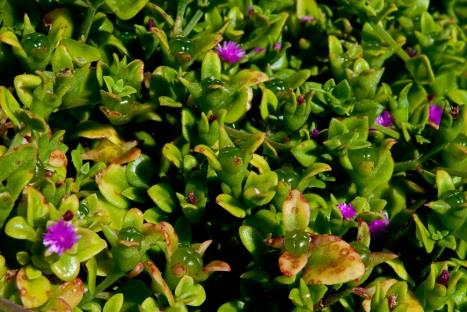
baby sun rose
Aptenia cordifolia
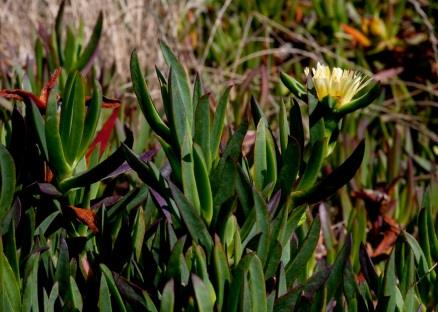
hottentot fig
Carpobrotus edulis
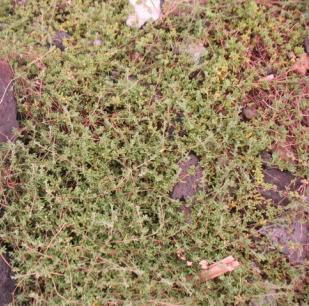
rosea ice plant
Drosanthemum floribundum
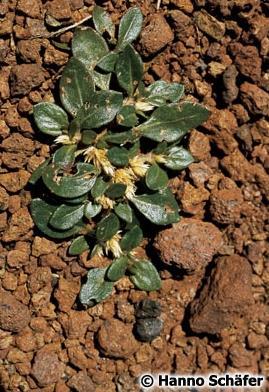
purple joyweed
Alternanthera caracasana