
Australian blackwood, blackwood, acacia blackwood (Acacia melanoxylon)
Australian blackwood, blackwood, acacia blackwood
Description
Acacia melanoxylon is a small to medium-sized evergreen tree with pinnate leaves composed of many small leaflets, clusters of creamy-yellow globular flowers and later flattened leguminous pods. The bark and wood are often dark and dense, which is why it is commonly called Australian blackwood. It is native to southeastern Australia and Tasmania and is readily recognizable in the field by its foliage and flower clusters when in bloom.
Distribution
In Continental Portugal Acacia melanoxylon is known primarily from plantings, shelterbelts and occasional escapes from cultivation; precise occurrence records and densities are not supplied for this catalogue entry. Its presence in the landscape should therefore be treated as potentially scattered or locally established rather than uniformly widespread. Where it occurs outside cultivation it can form small naturalized stands, especially in disturbed or open sites.
Management measures
Management should prioritise early detection, removal of seedlings and cutting or uprooting of isolated trees followed by monitoring for regrowth and seedling recruitment. Mechanical control and careful disposal of cut material, combined with revegetation using native species, are recommended; the use of herbicides is an option only under regulated conditions and when applied by professionally supervised operators. Preventing seed set by removing flowering material and avoiding planting near natural habitats reduces the risk of further spread.
Ecological impact
Acacia melanoxylon can alter local vegetation structure by forming dense stands that shade out smaller native plants and seedlings. As a nitrogen-fixing legume it may change soil nutrient balance and favour other non-native species adapted to higher soil nitrogen. These shifts can reduce native plant diversity and alter successional trajectories in disturbed or semi-natural habitats.
Related plants
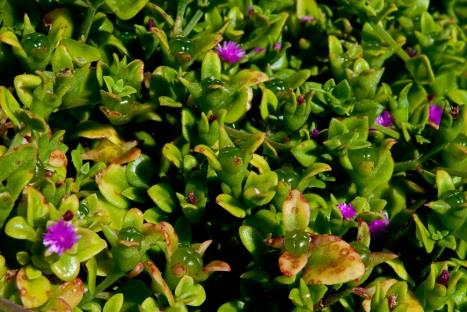
baby sun rose
Aptenia cordifolia
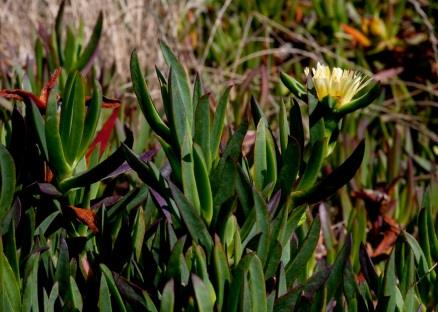
hottentot fig
Carpobrotus edulis
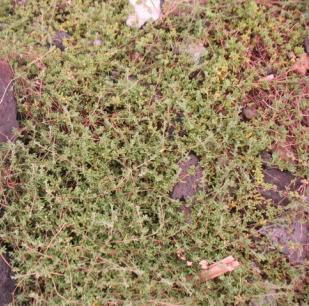
rosea ice plant
Drosanthemum floribundum
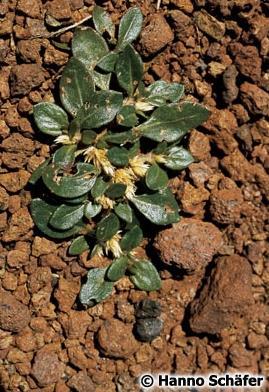
purple joyweed
Alternanthera caracasana