
Sydney golden wattle, golden wattle (Acacia longifolia)
Sydney golden wattle, golden wattle
Description
Acacia longifolia is a fast-growing evergreen shrub or small tree with linear phyllodes rather than true leaves, conspicuous bright yellow globular flower heads in clusters, and flattened seed pods. It is native to south-eastern Australia and commonly establishes dense stands where conditions suit it. The species fixes nitrogen and shows vigorous regrowth from seed and lignotubers or stumps after cutting, traits that aid its spread.
Distribution
The species is widely planted and naturalised in many temperate regions outside its native range; in Portugal it is known from Continental Portugal and there is an indication of presence on São Miguel although no detailed observation is supplied here. Distribution tends to be patchy but can expand along disturbed ground, coastal dunes and road verges where seed sources exist. Records should be treated cautiously and confirmed by local surveys before management decisions.
Management measures
Integrated control combines preventing seed set, removing young plants by hand-pulling or digging where feasible, and cutting followed by close monitoring to remove resprouts and seedlings. Chemical control is an option but should be used only as a regulated, professionally supervised part of a wider restoration plan and in accordance with local legislation. Restoration of cleared sites with native species and ongoing surveillance are important to prevent reinvasion and limit seed dispersal.
Ecological impact
Acacia longifolia can form dense monospecific stands that outcompete native herbaceous and woody plants, reducing local plant diversity. Its ability to fix nitrogen can alter soil nutrient balance and promote changes in plant community composition, potentially facilitating other invasive species. Dense thickets may also modify fire behaviour and habitat structure, with consequences for native fauna and ecosystem processes.
Related plants
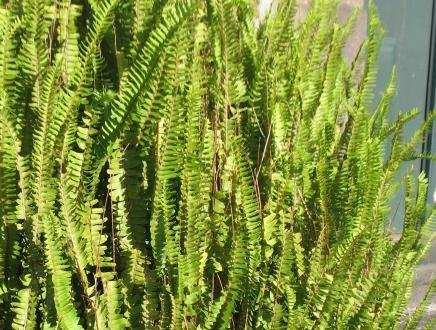
sword fern
Nephrolepis cordifolia
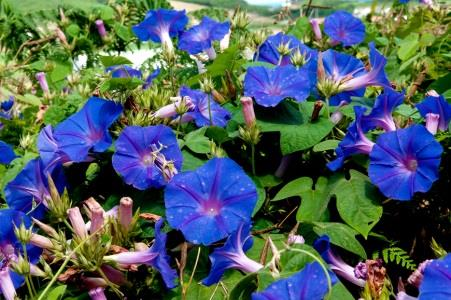
blue morning glory
Ipomoea indica
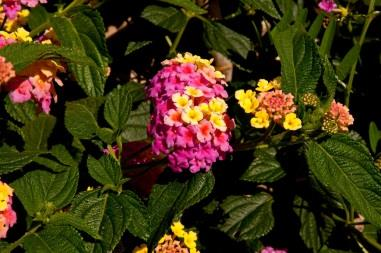
lantana
Lantana camara
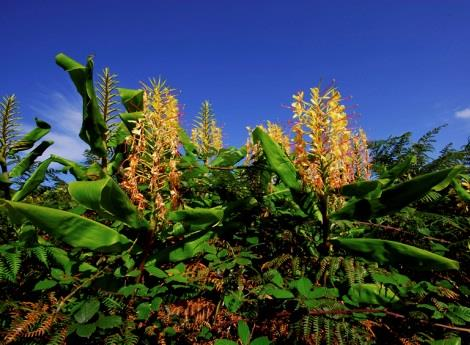
kahili ginger
Hedychium gardnerianum