
sweet thorn, karroo thorn, mimosa thorn (Acacia karroo)
sweet thorn, karroo thorn, mimosa thorn
Description
Acacia karroo is a thorny shrub or small tree with pinnate leaves, conspicuous pairs of spines on older branches and clusters of small, globular yellow flowers which develop into flattened seed pods. Its habit and the combination of thorns, feathery foliage and ball‑like flower heads make it relatively easy to recognise in the field. The species is native to southern Africa and is commonly planted outside its range for ornamental or shade purposes.
Distribution
In Continental Portugal the species is considered introduced and records are scarce; no specific observation was supplied for this catalogue entry. Where it occurs, occurrences are typically associated with planted specimens that have escaped cultivation and occasional scattered stands rather than a continuous widespread distribution. Because formal surveys are incomplete, its local presence should be treated cautiously and verified by on‑the‑ground observation.
Management measures
Integrated management begins with early detection and the removal of seedlings and isolated plants before they set seed, combined with follow‑up monitoring to prevent reinvasion. Mechanical removal of larger plants and restoration of native vegetation are recommended; any use of herbicide should be restricted to regulated, professionally supervised applications carried out by trained personnel. Preventing further plantings, cleaning machinery and managing seed sources are important complementary measures.
Ecological impact
Acacia karroo can alter native plant communities by forming dense thickets that shade out lower vegetation and by fixing atmospheric nitrogen, which may change soil fertility and favour other non‑native species. These changes can reduce local native diversity and alter habitat structure for native fauna, though the species may also provide shelter and food for some birds and insects. The overall ecological effect in Continental Portugal is uncertain where records are limited, but the potential for competitive dominance and soil alteration justifies precautionary management.
Related plants
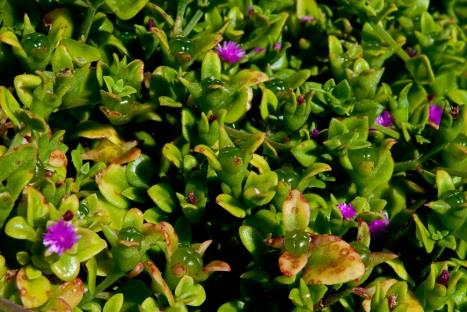
baby sun rose
Aptenia cordifolia
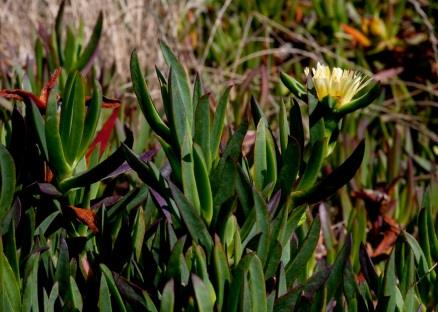
hottentot fig
Carpobrotus edulis
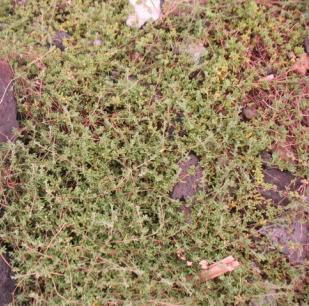
rosea ice plant
Drosanthemum floribundum
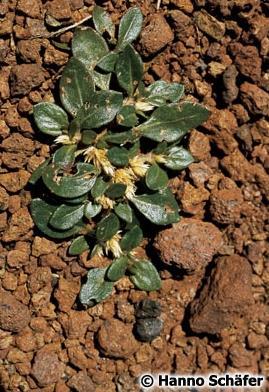
purple joyweed
Alternanthera caracasana