
silver wattle, mimosa, blue wattle (Acacia dealbata)
silver wattle, mimosa, blue wattle
Description
Acacia dealbata is a fast-growing evergreen or semi-deciduous tree or large shrub with feathery bipinnate leaves that often appear silvery-green, conspicuous globular clusters of bright yellow, fluffy flowers and flattened seed pods with dark seeds. The species is native to southeastern Australia and Tasmania and has been widely planted outside its native range for ornament, shelterbelts and occasional forestry use. In the field it is readily recognised by its soft pinnate foliage and the vivid yellow flower heads produced in late winter to spring.
Distribution
Acacia dealbata has been introduced and cultivated in Continental Portugal and is known to escape from cultivation into disturbed sites, roadsides and abandoned land, although no specific local records are supplied here. Its ability to naturalise in Mediterranean-climate regions makes it a species to watch for spontaneous stands in sunny, disturbed or riparian locations. Local surveys and monitoring are recommended to establish its current extent and detect new incursions before they become widespread.
Management measures
Management should focus on prevention, early detection and an integrated control approach combining manual removal of seedlings, repeated cutting of resprouts with removal of root material where feasible, and follow-up monitoring to deplete the seedbank. Controlled chemical treatment may be used only as a regulated, professionally supervised option and always in accordance with local legislation; all cut material should be handled and disposed of to prevent regeneration or seed spread. Restoration of cleared areas with appropriate native species and long-term surveillance will reduce the risk of reinvasion.
Ecological impact
Acacia dealbata can form dense stands that shade and outcompete native herbaceous and woody plants, reducing local biodiversity and altering plant community composition. Its nitrogen-fixing ability can increase soil nutrient levels, favouring nitrophilous species and potentially changing successional pathways. Dense infestations may also increase fine fuel loads and alter local fire behaviour, with cascading effects on ecosystem processes.
Related plants
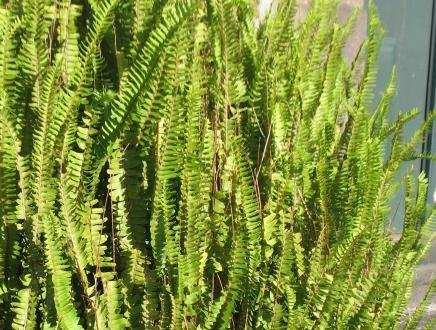
sword fern
Nephrolepis cordifolia
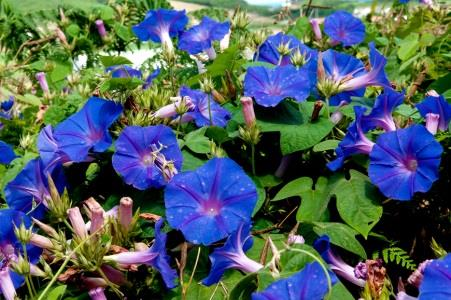
blue morning glory
Ipomoea indica
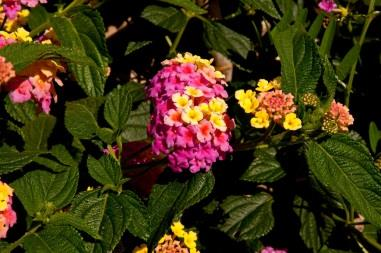
lantana
Lantana camara
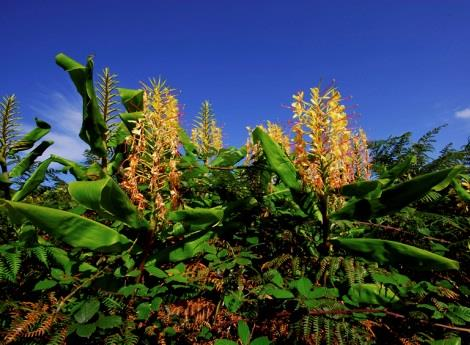
kahili ginger
Hedychium gardnerianum