
coastal wattle (Acacia cyclops)
coastal wattle
Description
Acacia cyclops is an evergreen shrub or small tree with grey-green phyllodes (leaf-like structures) and conspicuous globose clusters of bright yellow flowers followed by woody seed pods. It typically forms dense stands in open, sunny sites and can develop a bushy, spreading habit that is readily visible in coastal landscapes. The species is native to south‑west Australia and is known for its rapid establishment where introduced.
Distribution
In Continental Portugal Acacia cyclops has been introduced and is reported from coastal and disturbed sites where conditions resemble its native habitat, but occurrence can be patchy and records vary by locality. It is most often associated with dunes, seaside slopes and other sunny, well-drained places where it can naturalise from planted specimens or escaped stock. Because no specific observation was supplied for this record, presence should be confirmed from local surveys or herbarium records before management decisions.
Management measures
Management is best based on an integrated approach combining early detection, manual removal of seedlings and saplings, and careful extraction of roots to prevent resprouting, followed by monitoring for regrowth. Reinstatement of native dune or coastal vegetation after removal reduces reinvasion risk, and all cut material should be removed or treated to avoid seed spread. Chemical control can be considered only as a regulated, professionally supervised option and should be used in accordance with local legislation and best practice.
Ecological impact
Where established, Acacia cyclops can form dense stands that shade and outcompete native coastal plants, altering community composition and reducing local biodiversity. As a nitrogen‑fixing legume it can change soil nutrient dynamics, facilitating other non‑native species and modifying successional trajectories. Dense thickets may also alter dune geomorphology and increase fuel loads, with potential consequences for fire behaviour and coastal ecosystem functioning.
Related plants
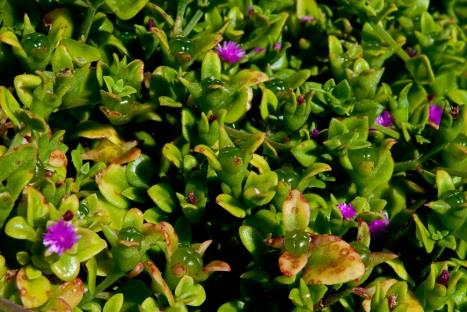
baby sun rose
Aptenia cordifolia
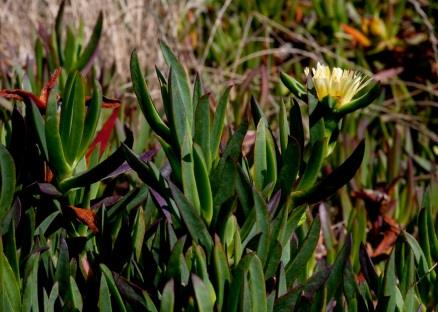
hottentot fig
Carpobrotus edulis
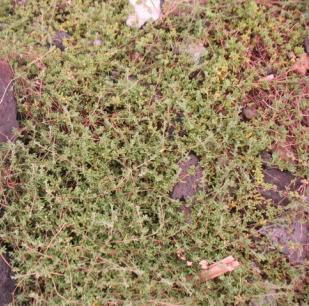
rosea ice plant
Drosanthemum floribundum
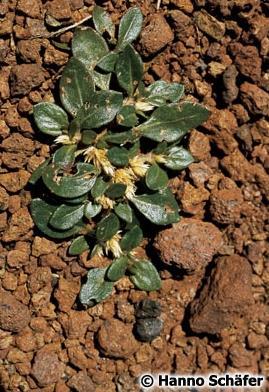
purple joyweed
Alternanthera caracasana