
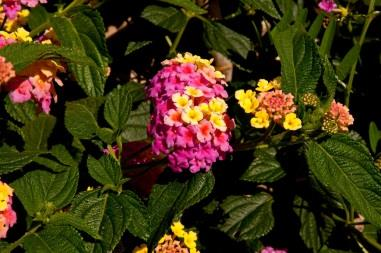
lantana (Lantana camara)
lantana
Description
Lantana camara is a woody, multi-stemmed shrub with rough, opposite leaves that release a characteristic aromatic scent when crushed and show clusters of small tubular flowers that vary in colour. It is native to the tropical Americas but has become widespread as an ornamental and escapee in many subtropical and temperate regions. Plants often form dense, thornless thickets with vigorous vegetative growth and abundant bird-dispersed fruit.
Distribution
This catalogue records Lantana camara in the Azores with the island field listed as Multiple, although no specific source observation was supplied and occurrences should be confirmed locally. Globally the species has naturalised in many warm climates and typically establishes in disturbed, coastal and lowland habitats. In the Azores it may occur in gardens, roadside scrub and disturbed slopes where conditions are suitable, but precise island-by-island data are lacking in this record.
Management measures
Management should use an integrated approach combining early detection, mechanical removal of seedlings and resprouts, repeated follow-up to exhaust the seedbank, and restoration with appropriate native species to prevent reinvasion. Cut material must be removed or destroyed to avoid vegetative spread and seed production should be prevented by removing flowering material; herbicide may be used only as a regulated, professionally supervised option in hard-to-control infestations. Long-term monitoring and public awareness to limit planting and transport of material are important to reduce further spread.
Ecological impact
Lantana camara can form dense stands that outcompete native plants for light and space, altering plant community composition and reducing local biodiversity. Its fruits are bird-dispersed, which aids rapid spread across islands and can facilitate invasion of disturbed natural habitats. The species can also change fuel structure and microhabitats, and is reported elsewhere to be toxic to livestock, so local ecological and land-use impacts should be assessed where it is present.
Related plants
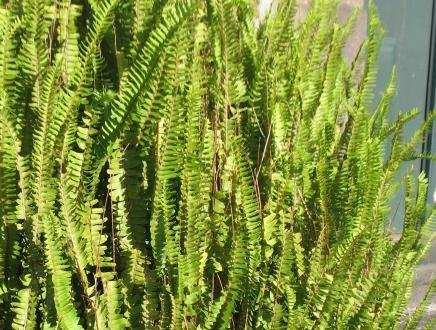
sword fern
Nephrolepis cordifolia
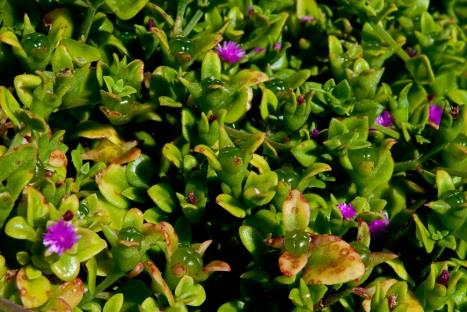
baby sun rose
Aptenia cordifolia
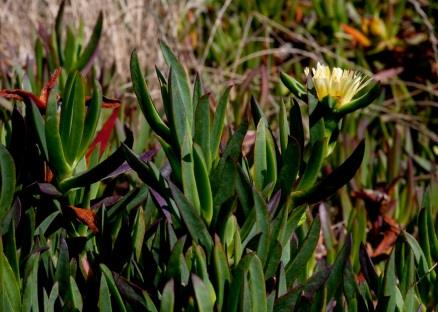
hottentot fig
Carpobrotus edulis
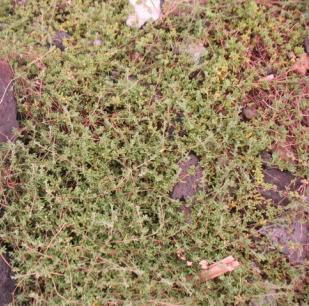
rosea ice plant
Drosanthemum floribundum