
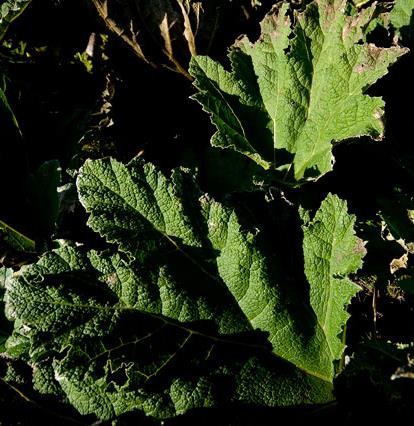
giant rhubarb (Gunnera tinctoria)
giant rhubarb
Description
Gunnera tinctoria is a robust, rhizomatous perennial characterized by very large, peltate leaves and stout flowering stalks bearing numerous small flowers. It is native to temperate regions of South America and has been introduced elsewhere as an ornamental and for soil-stabilisation purposes. It is recorded from the Azores catalogue location, but the specific island and original observation details are not supplied here.
Distribution
The species has a history of introduction outside its native range and is known to establish in humid, disturbed or landscaped sites in temperate regions. For this catalogue record it is reported from the Azores, although the island field is not specified and no original observation data were supplied. Given its biology, any local reports should be treated cautiously and confirmed by field verification before assuming wider distribution within the archipelago.
Management measures
Control relies on an integrated approach combining early detection, careful mechanical removal of above-ground growth and excavation or repeated removal of rhizomes to prevent resprouting, followed by monitoring for regrowth. Plant material and rhizome fragments must be contained and disposed of securely to avoid further spread; sanitation of tools and careful handling are essential. Chemical control using herbicide is only recommended as a regulated, professionally supervised option and should be used in accordance with local regulations and environmental safeguards.
Ecological impact
Where it forms dense stands, Gunnera tinctoria can shade out native understorey vegetation and alter habitat structure, particularly in moist coastal or riparian locations. Its large biomass and rhizomatous habit can modify soil moisture relationships and compete strongly with native plants for space and light. Such changes may lead to reduced native plant diversity and altered ecosystem processes if the species becomes locally abundant.
Related plants
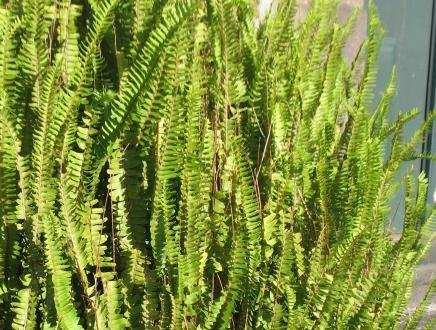
sword fern
Nephrolepis cordifolia
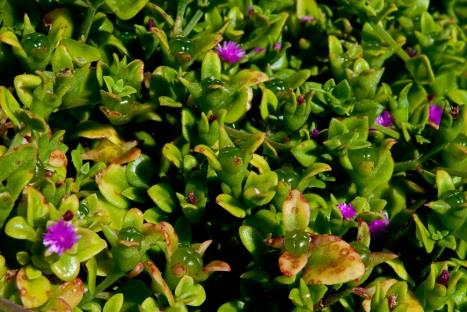
baby sun rose
Aptenia cordifolia
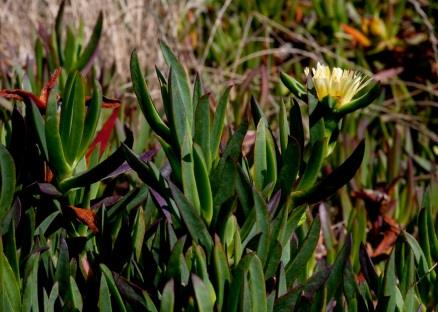
hottentot fig
Carpobrotus edulis
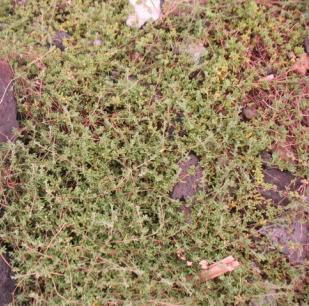
rosea ice plant
Drosanthemum floribundum