
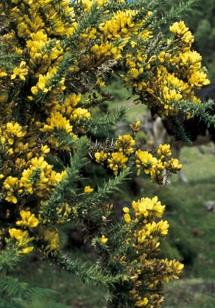
dwarf gorse (Ulex minor)
dwarf gorse
Description
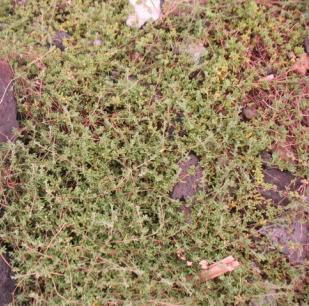
Ulex minor is a low-growing, spiny evergreen shrub with small, bright yellow pea-like flowers and hard-seeded pods that facilitate persistence in the soil seed bank. It has a compact, often broom-like habit with numerous shoots armed with sharp spines, traits that make it conspicuous where it occurs. The species is broadly native to western Europe and tolerates nutrient-poor, well-drained soils and open, disturbed habitats.
Distribution
This catalogue records Ulex minor from the Azores, but the island and original observation details are not specified, so its local distribution there should be considered uncertain. The species has been introduced outside its native range in other regions and may be locally established in suitable open habitats in the Azores. Cautious, site-based surveys are recommended to clarify its extent before drawing stronger conclusions about its distribution in the archipelago.
Management measures
Integrated management combines early detection, manual removal of seedlings and small plants, and careful follow-up to prevent re-establishment from the seed bank. Mechanical cutting should be combined with immediate removal and secure disposal of cut material to avoid further seed spread, and any restoration should favour native vegetation to reduce re-invasion. Chemical control using herbicide may be considered only as a regulated, professionally supervised option within an integrated plan, and biosecurity measures should prevent movement of contaminated soil or plant material.
Ecological impact
Where it becomes dense, Ulex minor can form impenetrable stands that outcompete native low-growing vegetation and alter habitat structure. Its woody, resinous stems contribute to increased fuel loads and a potential elevation of fire risk in invaded areas, and dense patches can reduce resources available for native plants and grazing animals. Even small, localized invasions can hinder natural regeneration and change species composition of open habitats.
Related plants
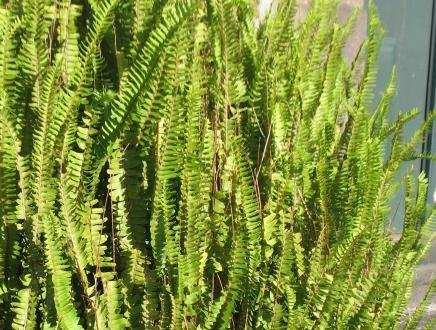
sword fern
Nephrolepis cordifolia
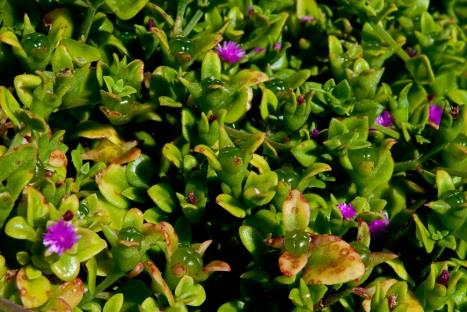
baby sun rose
Aptenia cordifolia
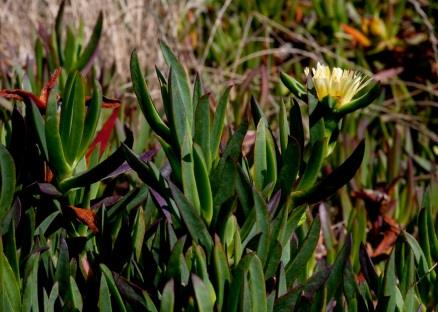
hottentot fig
Carpobrotus edulis
rosea ice plant
Drosanthemum floribundum