
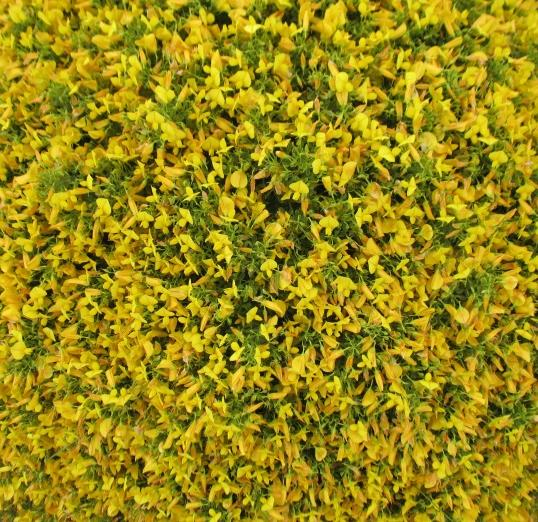
gorse (Ulex europaeus)
gorse
Description
Ulex europaeus is a spiny, evergreen shrub with bright yellow, pea‑type flowers and woody stems, many shoots modified into sharp spines. It forms dense, branching thickets with persistent small leaves and a conspicuous flowering display during the season. The species is native to Atlantic western Europe and neighbouring regions but has been introduced to many other places.
Distribution
This catalogue record lists Ulex europaeus for the Azores; the specific island is not specified and the original observation details were not supplied. Island records for introduced species are often incomplete, so the plant may be present on one or more islands in a variety of habitats from roadsides and disturbed ground to coastal scrub and upland moorland. Local surveys and verification are needed to determine its current distribution and abundance in the Azores.
Management measures
Management should use an integrated approach combining early detection, manual removal of seedlings and repeated cutting or excavation of established plants, followed by monitoring and restoration with appropriate native vegetation. Removed material must be contained and disposed of to avoid spreading seed; mechanical removal and careful processing of biomass are preferred over uncontrolled burning, and herbicide use should be considered only as a regulated, professionally supervised option in accordance with local rules. Preventing seed transfer on machinery, footwear and livestock and encouraging competitive native cover are essential elements of long‑term control.
Ecological impact
Ulex europaeus can form dense, near‑monospecific stands that outcompete native plants and reduce habitat quality and diversity. As a leguminous shrub it can alter soil nutrient status and, because of its woody, flammable biomass, may increase local fire risk and change fire regimes. Its dense thorny structure also impedes grazing and access for people and wildlife, and its abundant flowers can alter pollinator interactions.
Related plants
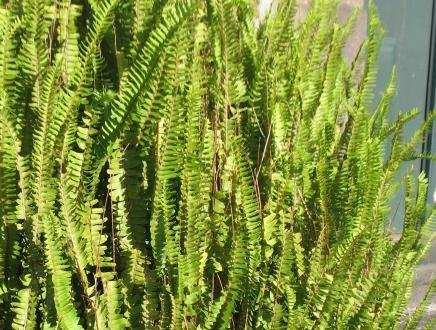
sword fern
Nephrolepis cordifolia
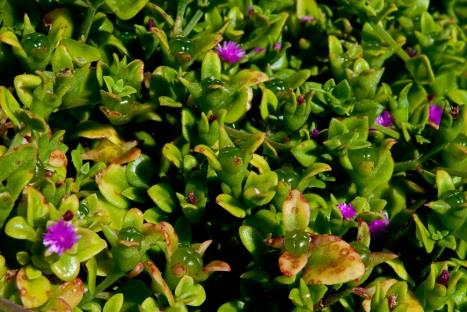
baby sun rose
Aptenia cordifolia
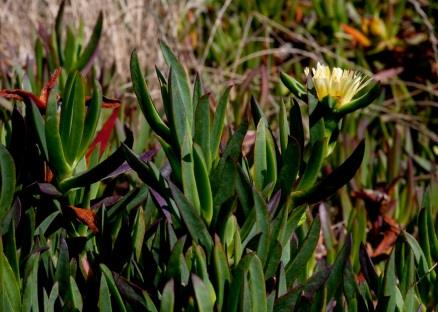
hottentot fig
Carpobrotus edulis
rosea ice plant
Drosanthemum floribundum