
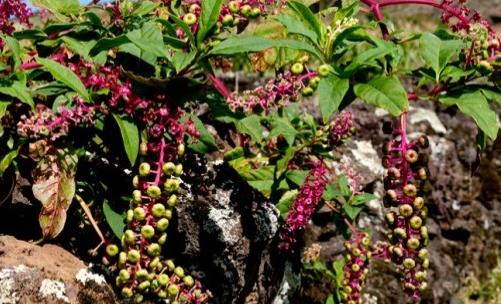
pokeweed (Phytolaca americana)
pokeweed
Description
Phytolaca americana is a large herbaceous plant with fleshy stems, alternate simple leaves, and elongated racemes of small whitish-green flowers that develop into clusters of glossy red to purple berries. Its habit can be erect or sprawling and young stems may be slightly succulent, making it conspicuous where it establishes. The species is native to North America and is readily identified by its characteristic berry clusters and succulent juvenile growth.
Distribution
Phytolaca americana has a broad native range in North America but is introduced in many regions worldwide, and it is recorded in the Azores catalogue although no specific island or observation details are supplied. In introduced areas it typically appears as occasional escapes in disturbed ground, gardens and roadside verges rather than as an immediate widespread invader.
Management measures
Management should use an integrated approach combining repeated mechanical removal of seedlings and careful excavation or cutting of mature plants to reduce seed production; removed material should be contained and not composted to prevent further spread. Regular monitoring is important to detect new seedlings from persistent seed banks and to limit dispersal by birds and human activities. Herbicide use may be considered only as a regulated, professionally supervised option and in accordance with local rules and environmental safeguards.
Ecological impact
Where established, Phytolaca americana can form dense patches that compete with native ground flora and interfere with natural regeneration of shrubs and trees. Its berries are eaten by birds, which can facilitate seed dispersal across habitats, and all plant parts are known to be toxic to livestock and people if ingested, posing additional ecological and human-health concerns.
Related plants
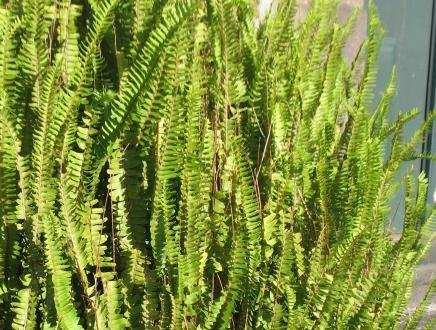
sword fern
Nephrolepis cordifolia
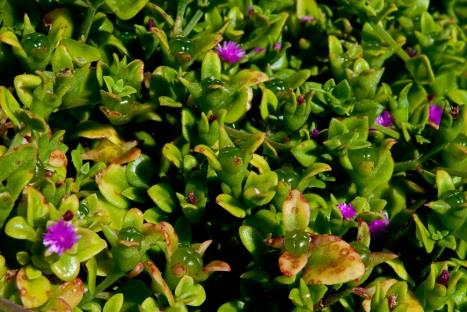
baby sun rose
Aptenia cordifolia
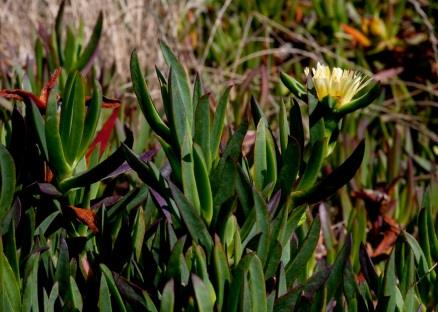
hottentot fig
Carpobrotus edulis
rosea ice plant
Drosanthemum floribundum