
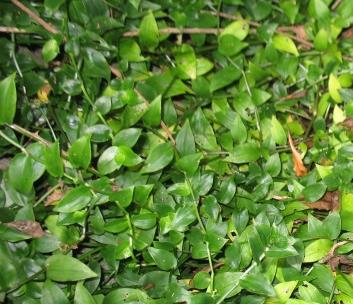
spiderwort (Tradescantia fluminensis)
spiderwort
Description
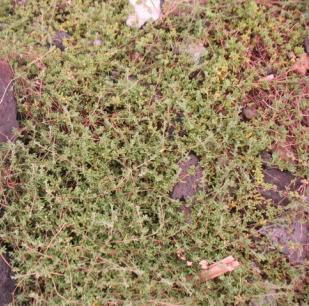
Tradescantia fluminensis is a creeping perennial with succulent, glossy, ovate leaves and small three‑petalled white to pale pink flowers. Stems root at the nodes and form dense mats or low climbing tangles, and broken fragments readily generate new plants. The species is easily recognised by its trailing habit and the ability of stem pieces to root where they contact soil or moist substrate.
Distribution
Tradescantia fluminensis is native to parts of South America but has been recorded in the Azores (catalogue location; island not specified). Exact local distribution within the archipelago is uncertain because no specific observation details were supplied, but plants of this species are typically associated with gardens, shaded disturbed sites and moist understories where they can naturalise. Continued monitoring of horticultural and woodland edge sites is needed to clarify its current extent in the Azores.
Management measures
Management should follow an integrated approach combining careful hand‑pulling or digging of whole plants and fragments, removal and secure disposal of material, and regular monitoring to detect regrowth. Preventative hygiene (cleaning tools, disposing of garden waste, avoiding movement of soil or plant material) and public awareness are important to limit spread. Chemical control with herbicide may be considered only under regulated use and professional supervision as part of a broader control plan.
Ecological impact
Where Tradescantia fluminensis forms dense mats it can suppress native seedling recruitment and reduce understorey plant diversity by shading and monopolising space. Such changes can alter microhabitat conditions (light and moisture) and potentially affect soil invertebrate communities and local ecosystem function. In the Azores, if it becomes locally abundant in shaded or riparian habitats it could pose a threat to native understorey species and restoration efforts.
Related plants
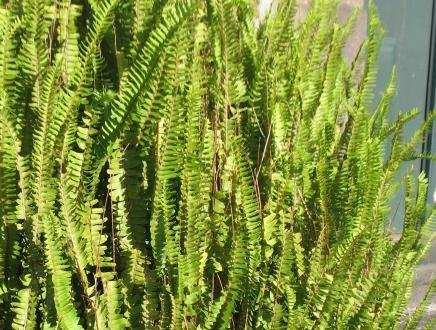
sword fern
Nephrolepis cordifolia
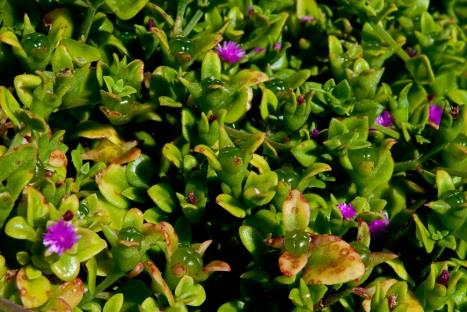
baby sun rose
Aptenia cordifolia
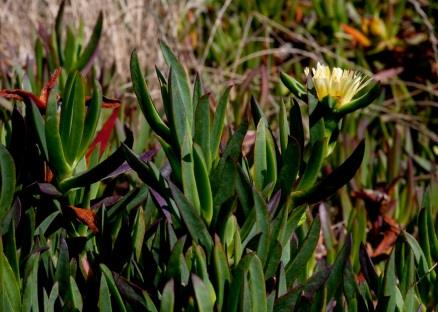
hottentot fig
Carpobrotus edulis
rosea ice plant
Drosanthemum floribundum