
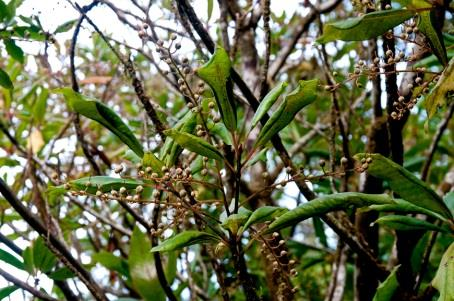
lily-of-the-valley tree (Clethra arbórea)
lily-of-the-valley tree
Description
Clethra arbórea is an evergreen shrub or small tree with glossy, serrated leaves and arching racemes of white, fragrant, bell‑shaped flowers reminiscent of lily‑of‑the‑valley. The stems are woody and plants often form multi‑stemmed clumps in cultivation, making them conspicuous when in bloom. These observable traits make the species relatively easy to identify during the flowering season.
Distribution
Clethra arbórea is broadly native to Macaronesia and occurs naturally in some Atlantic island systems. In the Azores it has been recorded only from São Miguel according to the available observation, and it appears principally as an ornamental or isolated escape there. The current distribution in the archipelago therefore seems very restricted, but systematic surveys and reporting are needed to confirm its true status.
Management measures
Management should emphasise early detection, mapping and removal of seedlings and isolated plants, combined with ongoing monitoring of known sites. Manual removal with careful root extraction and secure disposal of plant material is preferred where feasible to prevent resprouting and seed dispersal; sanitary measures and site restoration with native species are recommended after removal. The use of herbicides is an option only as a regulated, professionally supervised measure when mechanical control is impractical, and all management actions should be coordinated with local authorities.
Ecological impact
Where it establishes, Clethra arbórea may compete with native understory vegetation and tree seedlings, potentially altering light regimes and litter dynamics and affecting habitat structure for native fauna. Given the single known occurrence on São Miguel, local ecological impacts are uncertain but could become more pronounced if the species spreads beyond isolated plants. Preventing establishment and rapidly removing new occurrences will reduce the risk of longer‑term impacts.
Observation
Known only on S. Miguel
Related plants
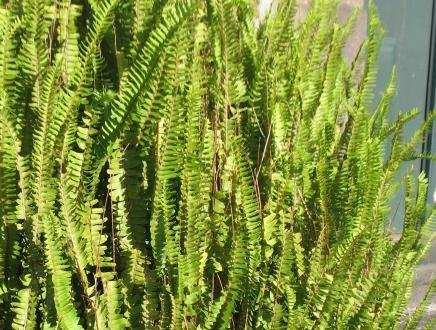
sword fern
Nephrolepis cordifolia
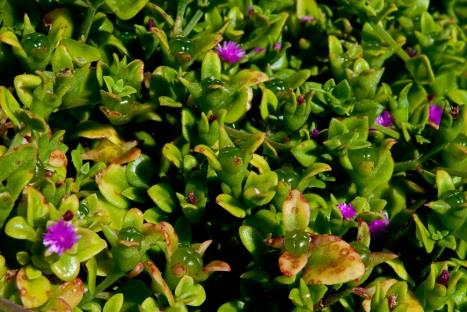
baby sun rose
Aptenia cordifolia
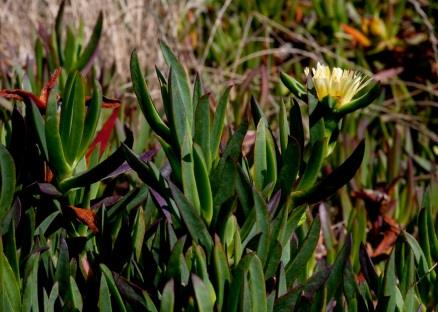
hottentot fig
Carpobrotus edulis
rosea ice plant
Drosanthemum floribundum