
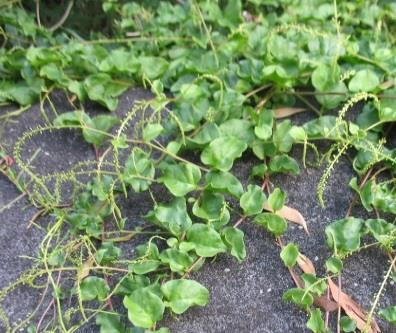
madeira vine (Anredera cordifolia)
madeira vine
Description
Anredera cordifolia is a vigorous, twining evergreen vine with fleshy, heart-shaped leaves and a tendency to climb over shrubs and trees; it often produces numerous fleshy aerial tubers and small cream-coloured flowers. Its growth habit can form dense mats of foliage and stems that are readily noticeable in invaded sites. The species is broadly native to South America and is recognized elsewhere as an opportunistic climber that tolerates a range of light and moisture conditions.
Distribution
In the Azores this species is known only on São Miguel according to the supplied record, and that observation should be treated as the documented local occurrence. This limited record may reflect under-reporting rather than true absence on other islands, so cautious surveillance on neighbouring islands and varied habitats is advisable. Any new sightings should be reported to local authorities to improve distribution knowledge.
Management measures
Management should use an integrated approach combining careful manual removal of vines and removal of soil and aerial tubers, follow-up monitoring and prompt removal of regrowth to prevent re-establishment. All fragments and tubers must be contained and disposed of securely to avoid accidental spread, and mechanical control should avoid scattering propagules. Herbicide can be considered only as a regulated option applied by trained professionals and used alongside physical control and monitoring.
Ecological impact
Where established, Anredera cordifolia can smother native shrubs and ground-layer plants by forming dense mats and climbing into tree canopies, reducing light availability and suppressing regeneration. This competitive dominance can alter species composition and reduce local plant diversity, with cascading effects on habitat structure for invertebrates and birds. Its ability to regenerate from tubers and fragments increases the difficulty of eradication and the risk of long-term changes to invaded communities.
Observation
Known only on São Miguel
Related plants
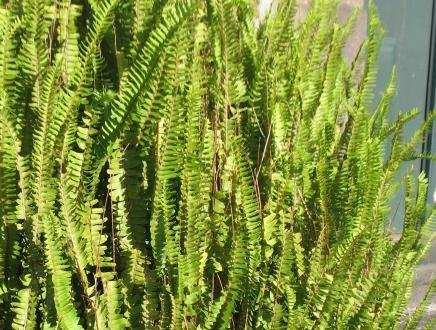
sword fern
Nephrolepis cordifolia
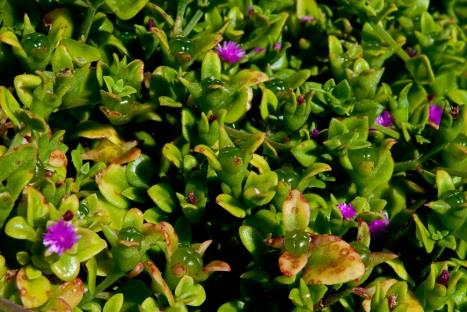
baby sun rose
Aptenia cordifolia
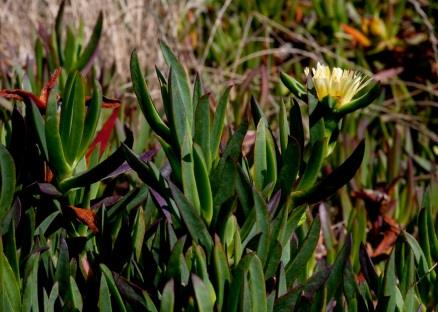
hottentot fig
Carpobrotus edulis
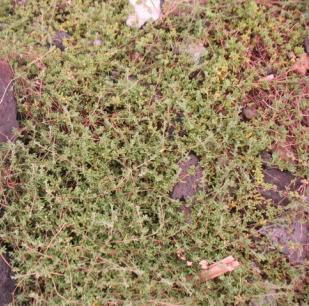
rosea ice plant
Drosanthemum floribundum