
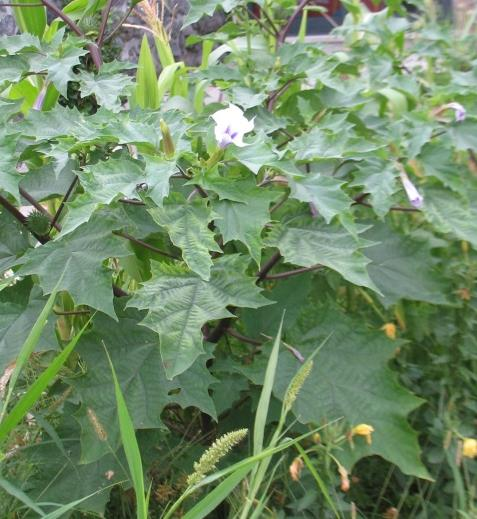
rough cocklebur (Xanthium strumarium)
rough cocklebur
Description
Xanthium strumarium is an annual herb with rough, hairy stems and large lobed leaves, producing distinctive spiny burs that enclose the seeds. The plant bears separate male and female flower heads and its burs readily cling to clothing, animal fur and machinery, which aids dispersal. It is broadly native to the Americas but has become widely introduced in many temperate and subtropical regions worldwide.
Distribution
This catalogue records Xanthium strumarium for the Azores, but no specific island or observation is supplied, so the presence should be treated as tentative until verified. The species typically establishes in disturbed soils, field margins, roadsides and along watercourses, and similar habitats in the Azores are potential sites for occurrence. Targeted surveys and voucher specimens are needed to confirm which islands host the species and to clarify its local abundance and status.
Management measures
Prevention and early detection are central: hygiene measures to remove burs from clothing, vehicles and livestock, and minimising soil movement reduce new introductions. Mechanical removal or hand-pulling before burs mature, combined with regular monitoring, site restoration with competitive native plants and public awareness are practical non-chemical measures. Use of herbicide is a regulated option and should only be applied as part of an integrated management plan under professional supervision and in accordance with local regulations.
Ecological impact
When established, Xanthium strumarium can compete with native vegetation and crops in disturbed habitats, reducing local plant diversity and productivity. Its spiny burs can injure livestock and contaminate forage, and the species forms a persistent seed bank that can make eradication difficult. Colonisation of riparian and roadside habitats may change community structure and facilitate further dispersal if not controlled.
Related plants
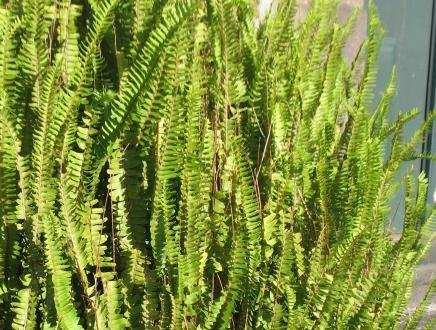
sword fern
Nephrolepis cordifolia
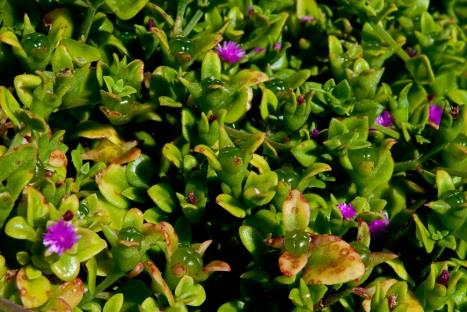
baby sun rose
Aptenia cordifolia
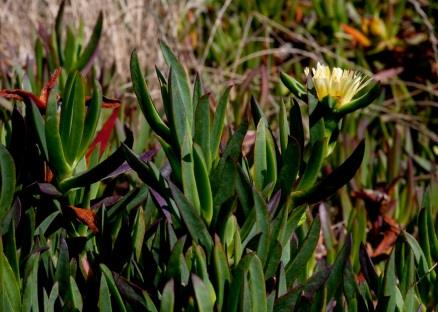
hottentot fig
Carpobrotus edulis
rosea ice plant
Drosanthemum floribundum