
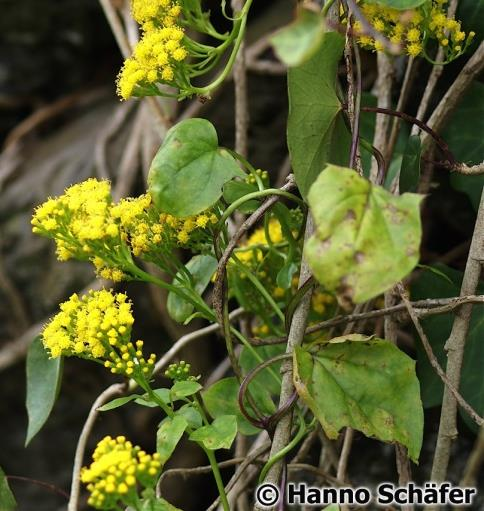
cape ivy (Delairea odorata)
cape ivy
Description
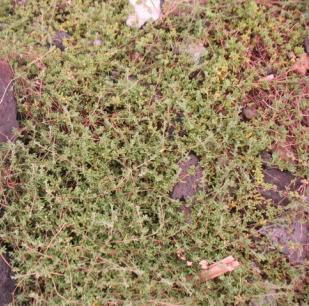
Delairea odorata is a vigorous, evergreen creeping and climbing vine with fleshy, often lobed leaves and clusters of small yellow, daisy-like disc flowers. Stems can root at the nodes and form dense mats or climb over shrubs and tree trunks, shading underlying vegetation. The species is native to the Cape region of southern Africa and is commonly known as cape ivy.
Distribution
The species is native to southern Africa but has become naturalized in many mild, maritime regions worldwide. It is catalogued for the Azores with a site reference to São Miguel, although no specific observation details were supplied so the local extent on the island is uncertain. Where present it typically colonizes disturbed ground, shaded coastal margins and the edges of woodlands.
Management measures
Control relies on an integrated approach that combines careful mechanical removal of stems and root material, repeated monitoring and restoration of native vegetation to prevent reinvasion. All excavated material should be removed and disposed of responsibly rather than composted on site, and follow‑up visits are necessary because fragments can re‑root. Use of herbicide is an option only under regulated conditions and when applied by trained professionals as part of a documented control plan.
Ecological impact
Delairea odorata can form dense mats that smother native groundflora and suppress regeneration of shrubs and tree seedlings by reducing light and altering microhabitats. This shading and physical overgrowth can change local species composition and affect invertebrate and bird communities. Where it displaces stabilising native plants it may also indirectly increase erosion risk in exposed coastal or riparian sites.
Related plants
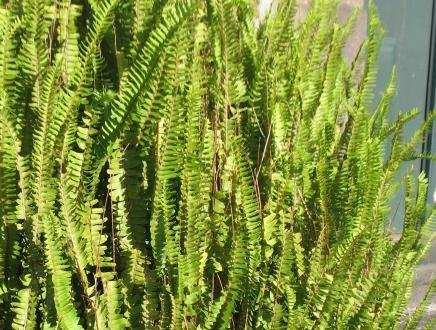
sword fern
Nephrolepis cordifolia
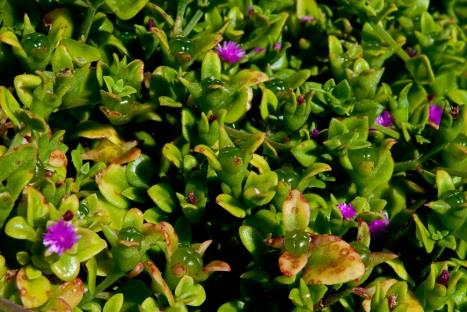
baby sun rose
Aptenia cordifolia
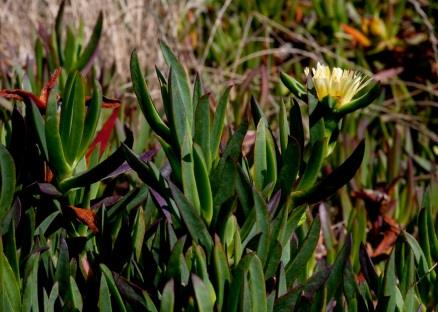
hottentot fig
Carpobrotus edulis
rosea ice plant
Drosanthemum floribundum