
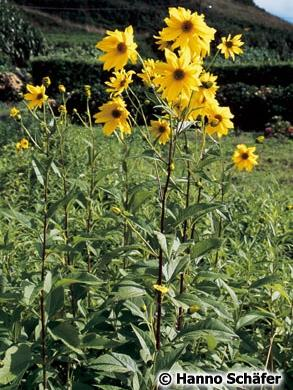
jerusalem artichoke (Helianthus tuberosus)
jerusalem artichoke
Description
Helianthus tuberosus is a tall, coarse perennial with rough, hairy stems, lanceolate to ovate leaves and distinct yellow, sunflower-like flower heads produced on branching stems. It develops an extensive system of edible, knobbed tubers (sunchokes) that allow vigorous clonal spread and overwintering, and plants may also set seed occasionally. The combination of conspicuous flowers and underground tubers makes it relatively easy to recognize in the field but also capable of persisting once established.
Distribution
In the Azores Helianthus tuberosus has been recorded on all islands except Pico, Terceira and S. Jorge, with occurrences typically associated with disturbed habitats, gardens, road verges and abandoned fields. Records suggest a scattered but widespread presence across the archipelago rather than a uniform cover. Given its capacity to spread vegetatively, localized populations can expand if not monitored and managed.
Management measures
Management is best based on an integrated approach that prevents tuber spread: repeated excavation and removal of tubers, regular cutting to deplete below-ground reserves, and prompt removal of plant fragments and flowering heads to reduce seed recruitment. Care should be taken to avoid spreading soil or tubers when moving material, and restoration with competitive native vegetation can reduce re-establishment. Chemical control may be considered only as a regulated, professionally supervised option and should be combined with physical measures and monitoring.
Ecological impact
Helianthus tuberosus can form dense stands that compete with low-growing native herbs and saplings, potentially altering local plant community composition and successional pathways. Its prolific tuber bank can make eradication difficult and may facilitate repeated re-invasion of disturbed sites, while dense patches can also change light and soil conditions. Conversely, its flowers attract pollinators, so management decisions should weigh both negative impacts on native flora and any pollinator benefits when planning removal or control.
Observation
Recorded on all islands except Pico, Terceira and S. Jorge
Related plants
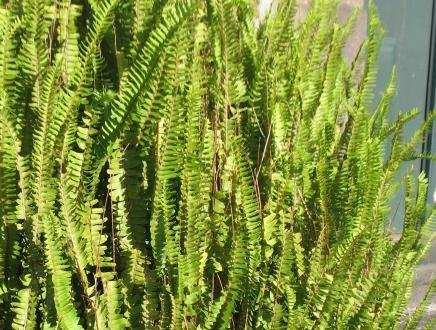
sword fern
Nephrolepis cordifolia
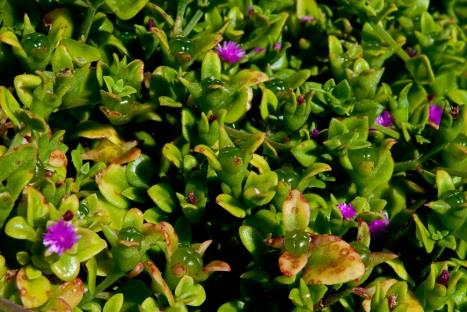
baby sun rose
Aptenia cordifolia
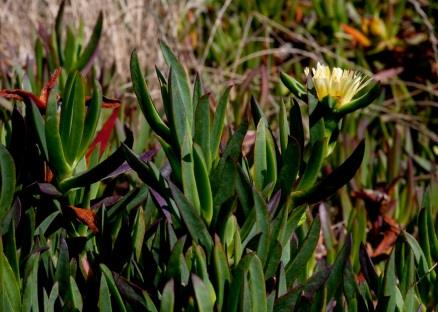
hottentot fig
Carpobrotus edulis
rosea ice plant
Drosanthemum floribundum